CLIMATE & BIOMES: Super-Humid Tropical Rainforest (8,000–12,000 mm annual rainfall) & Intertidal Mangroves
DEPARTMENTS: Chocó, Valle del Cauca (Buenaventura/Bahía Málaga), Cauca (Guapi), Nariño (Tumaco)
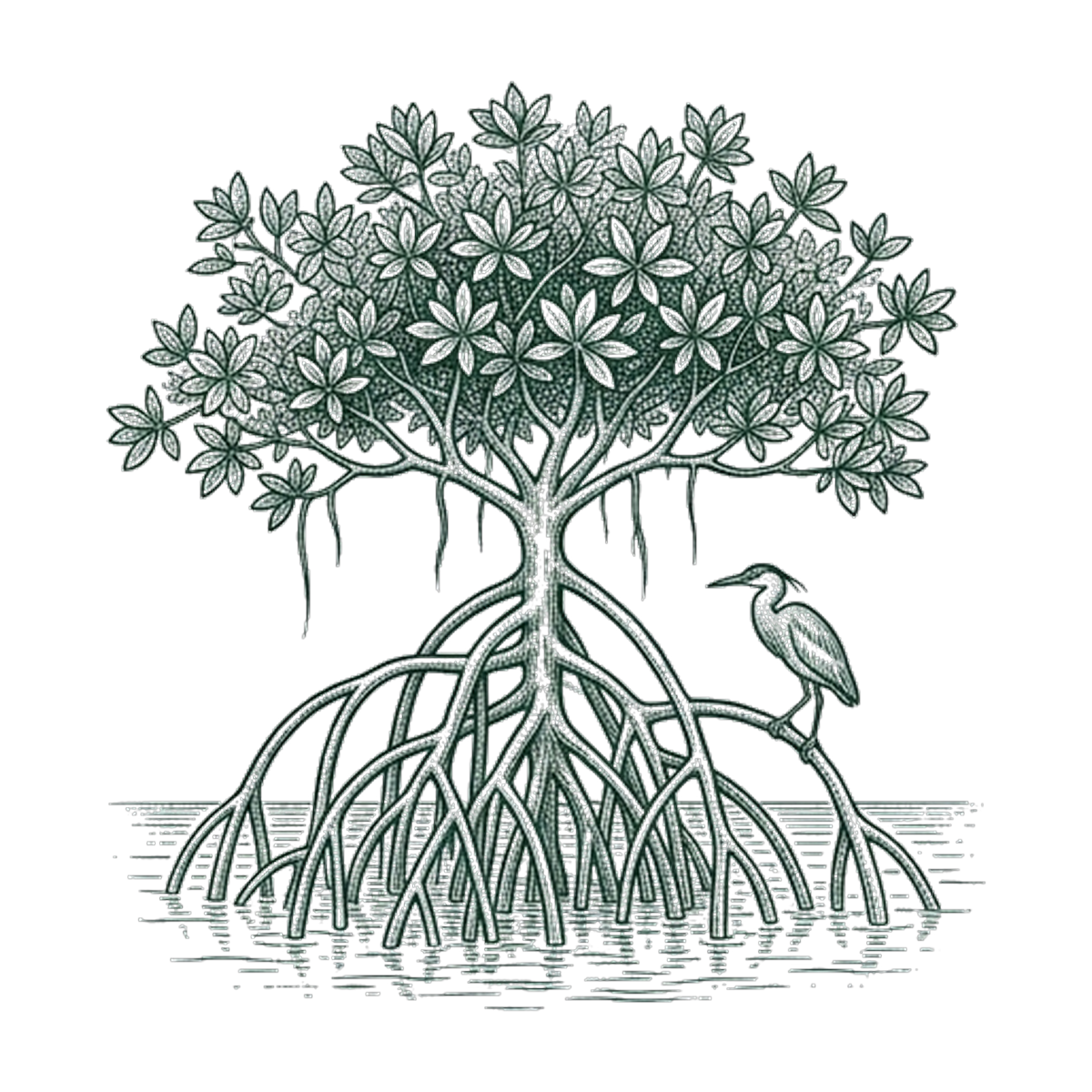
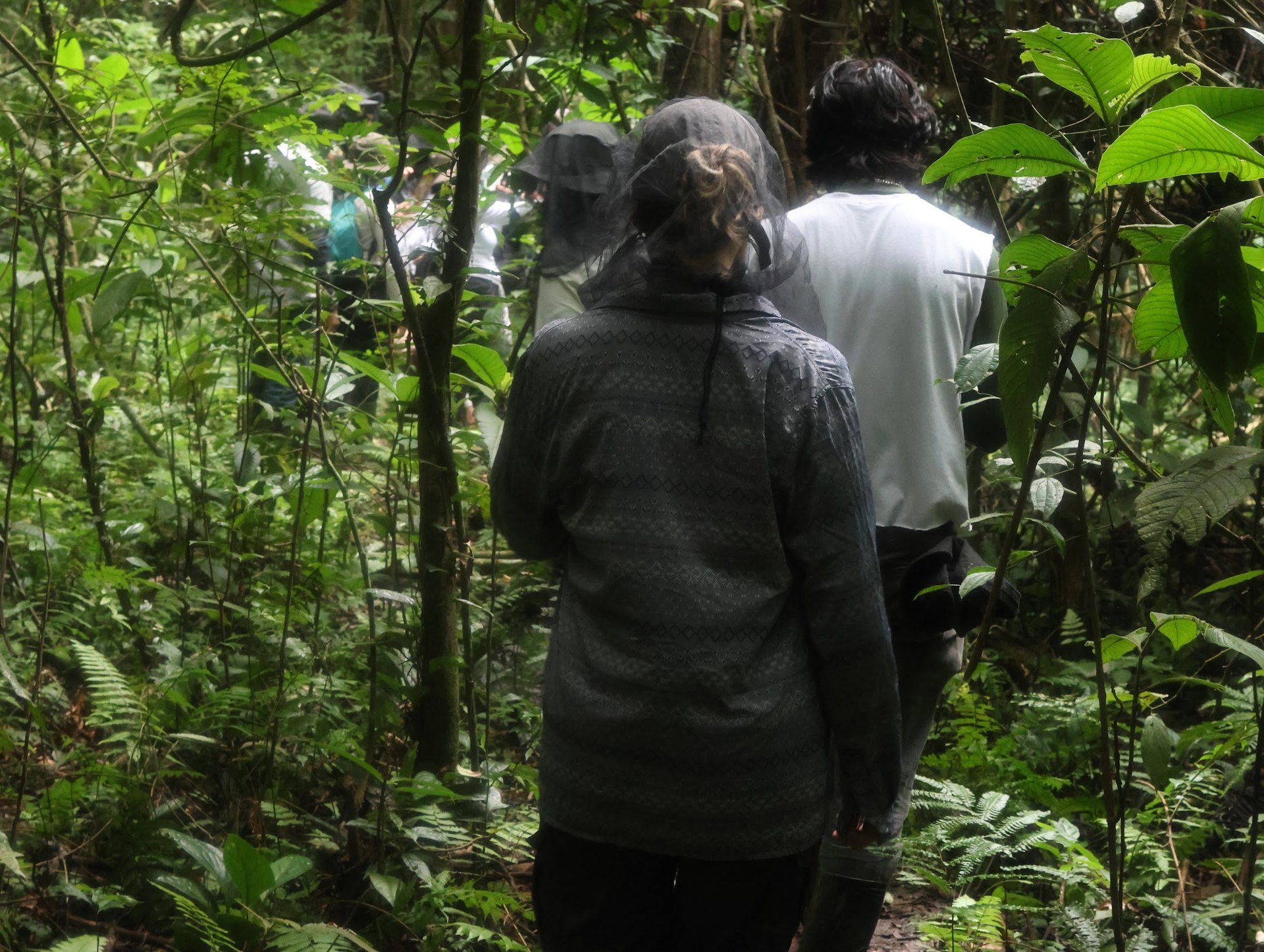
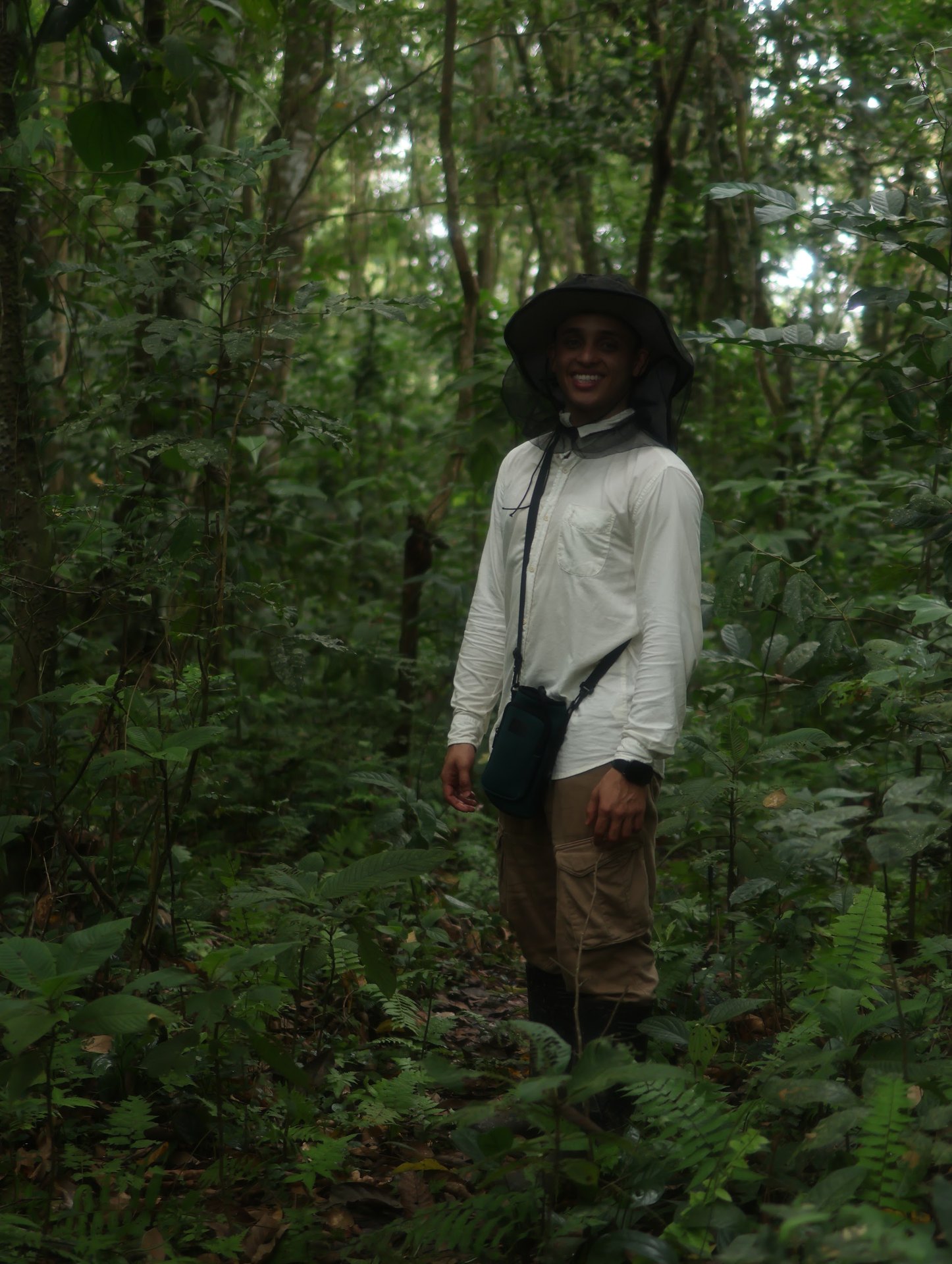
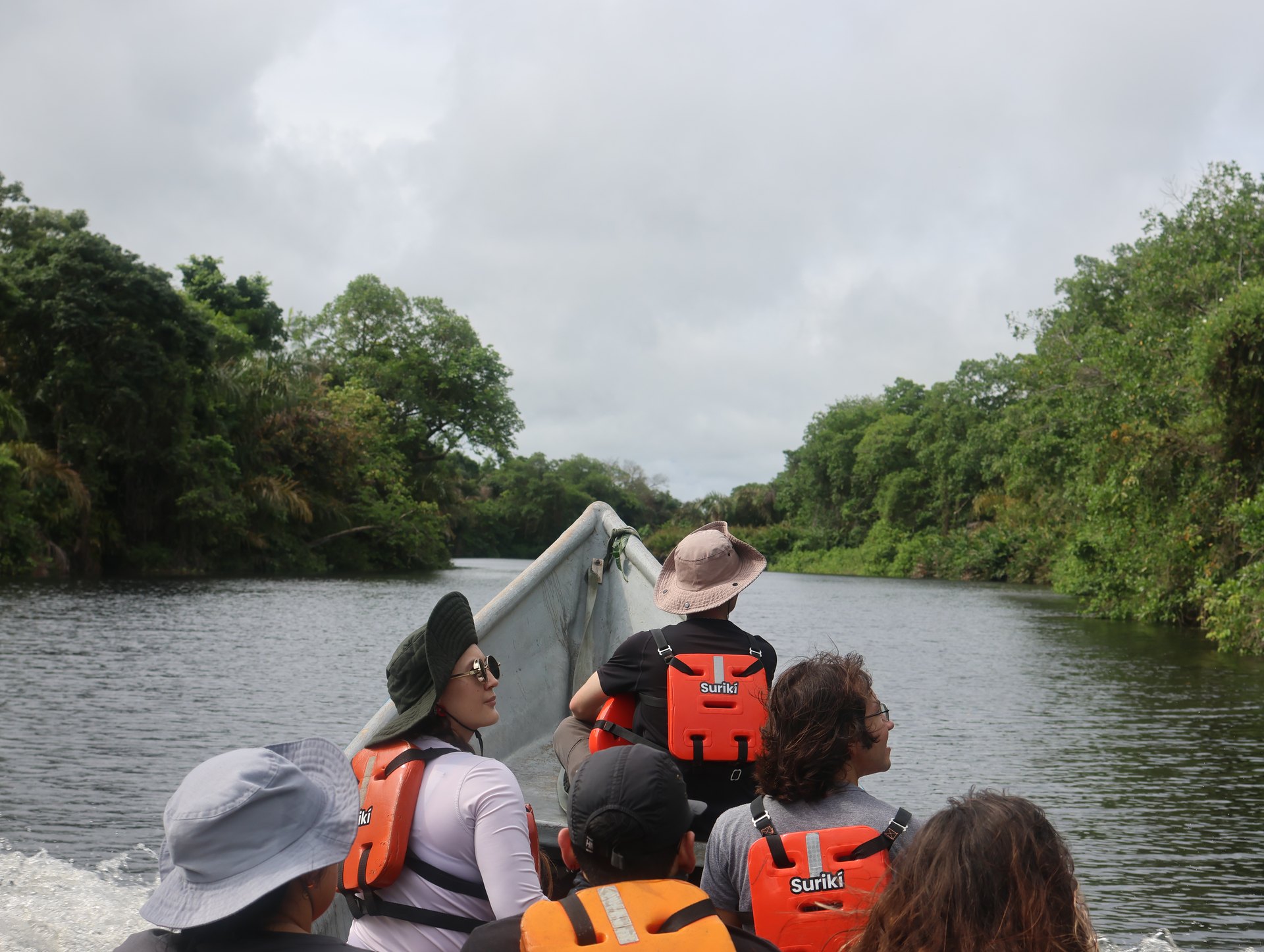
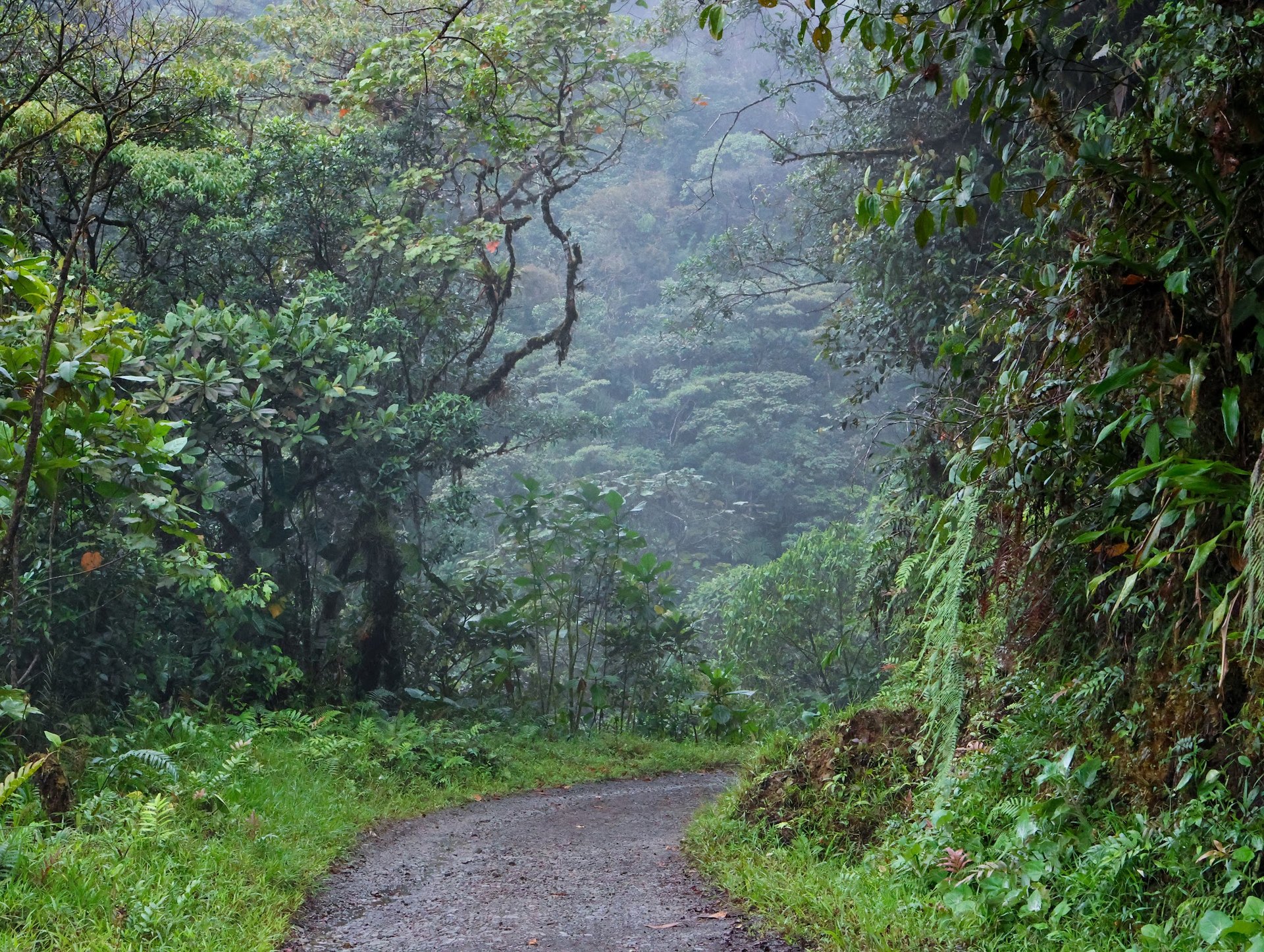
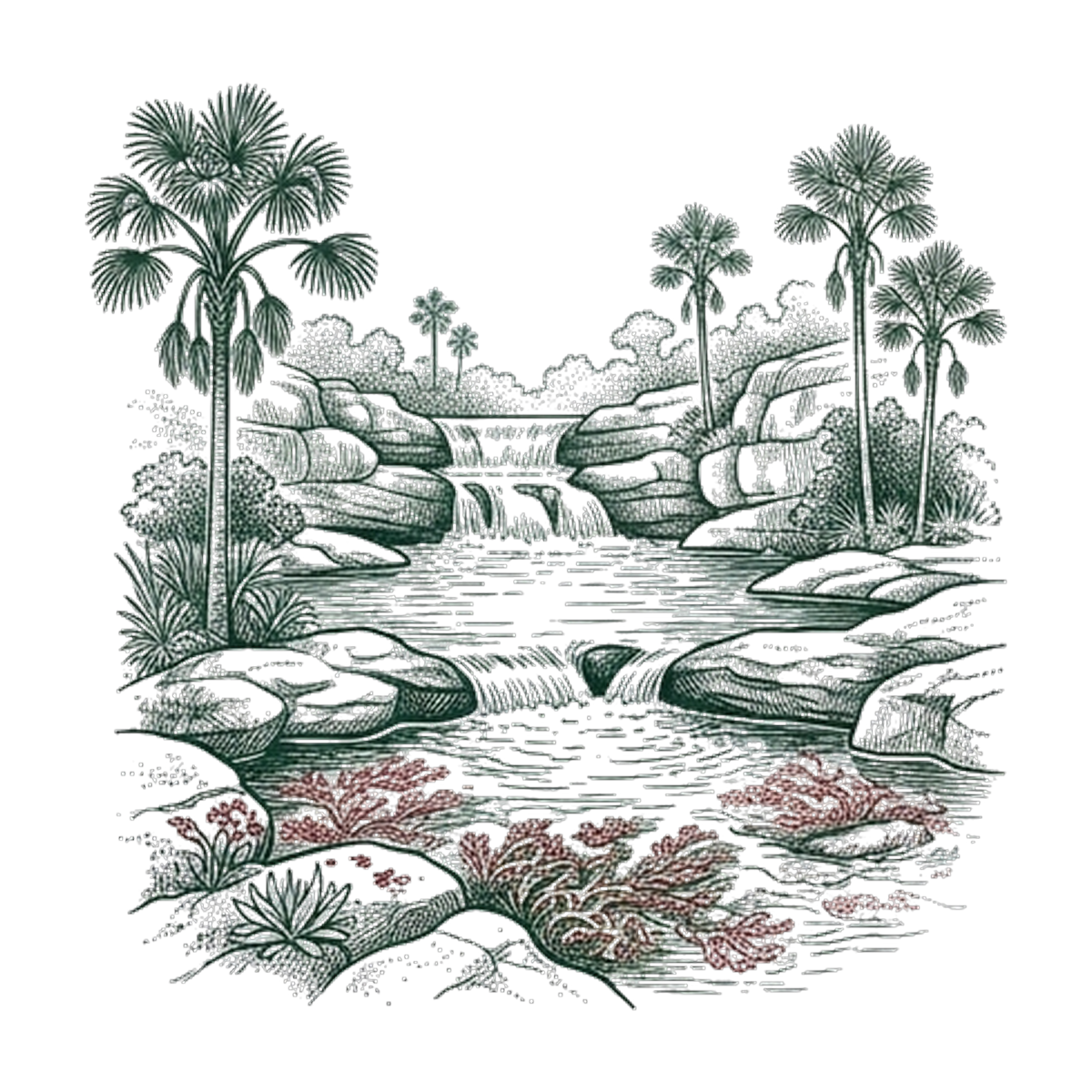
Stretching from the Panamanian border of Darién to northern Ecuador, Colombia's Pacific Region (the Biogeographic Chocó) is a biological ark. Trapped between warm Pacific Ocean currents and the Western Cordillera of the Andes, moisture-laden trade winds release up to 10 meters of rain per year—fueling an unbroken tapestry of primary coastal rainforest, towering mangrove prop-root estuaries (Rhizophora mangle), and jungle waterfalls that drop straight into the surf.
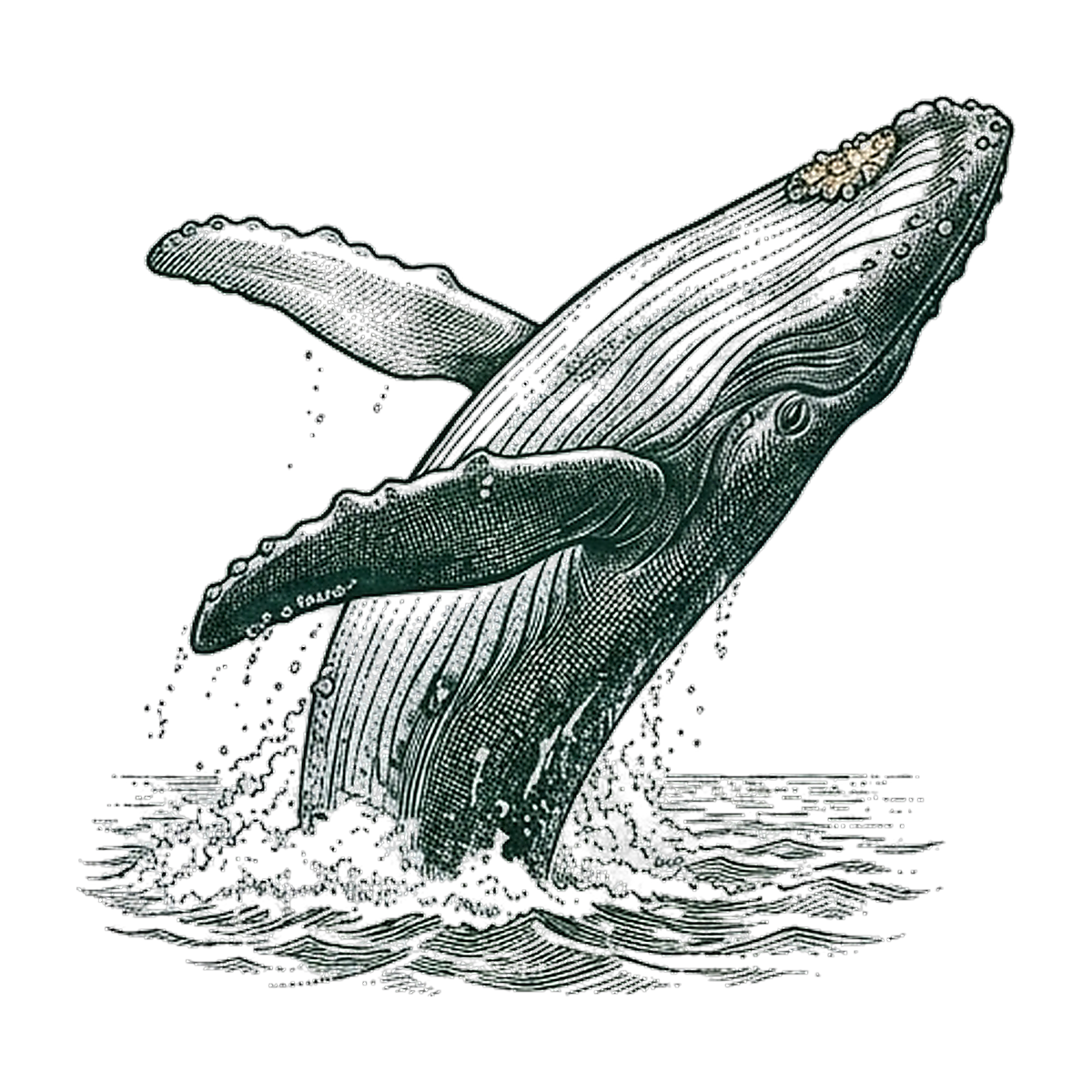
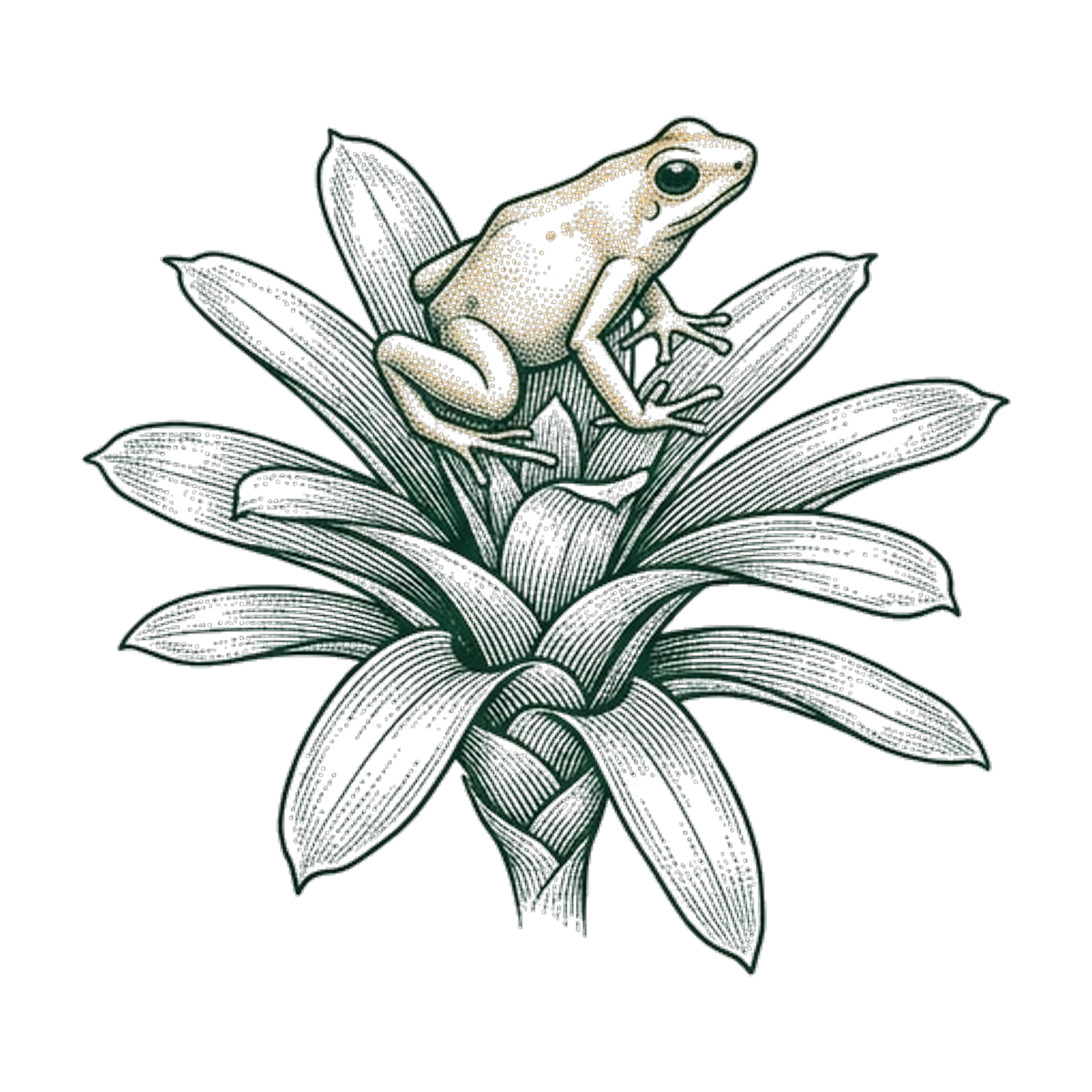
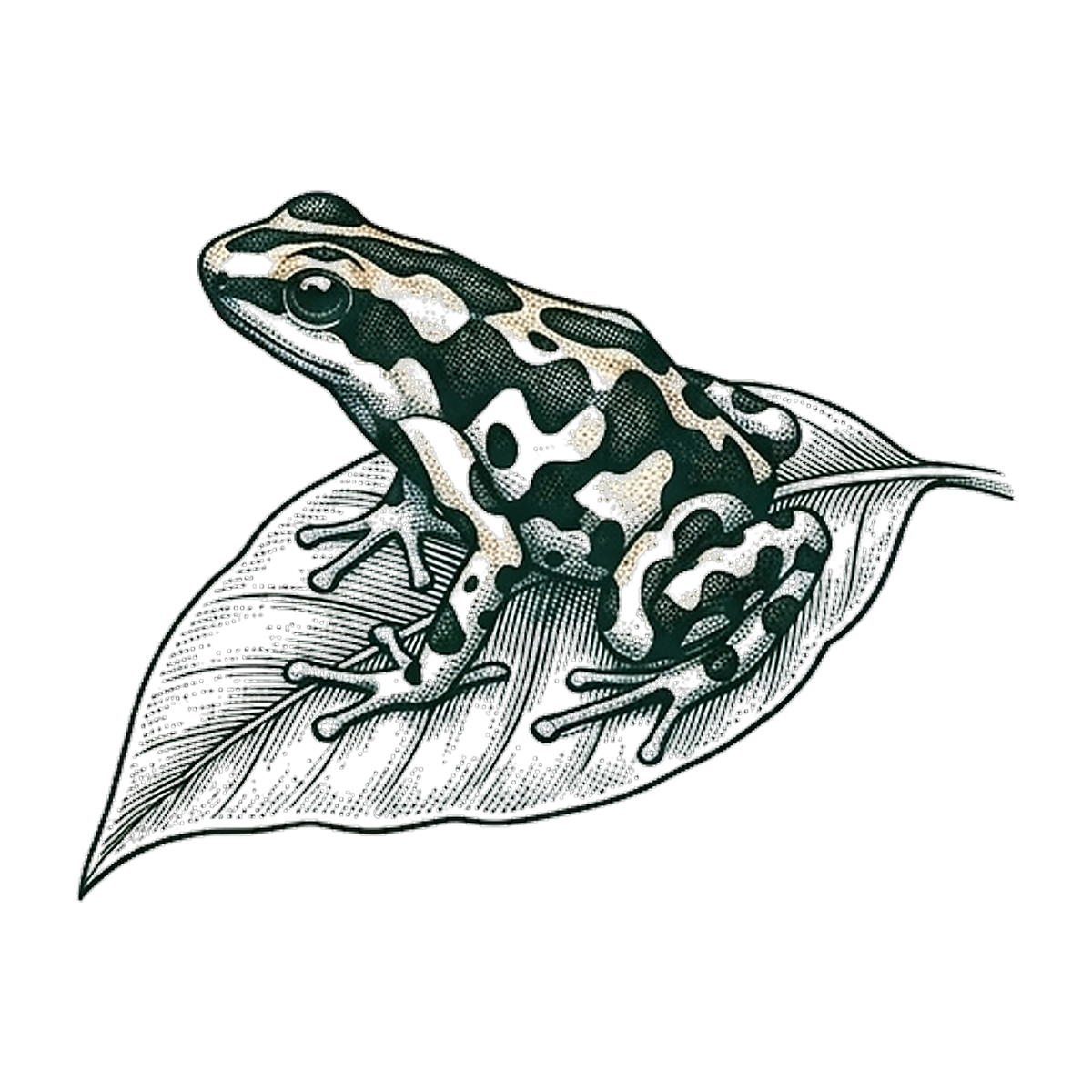
From July through October, Antarctic Humpback Whales (Megaptera novaeangliae) migrate 8,000 kilometers north into the calm, warm waters of Ensenada de Utría and Bahía Solano to birth and nurse their calves just 200 meters off the rainforest shoreline. Beneath the canopy, the leaf litter flashes with aposematic Dendrobatidae amphibians found nowhere else on Earth: the Golden Poison Frog (Phyllobates terribilis) and the Harlequin Poison Frog (Oophaga histrionica).
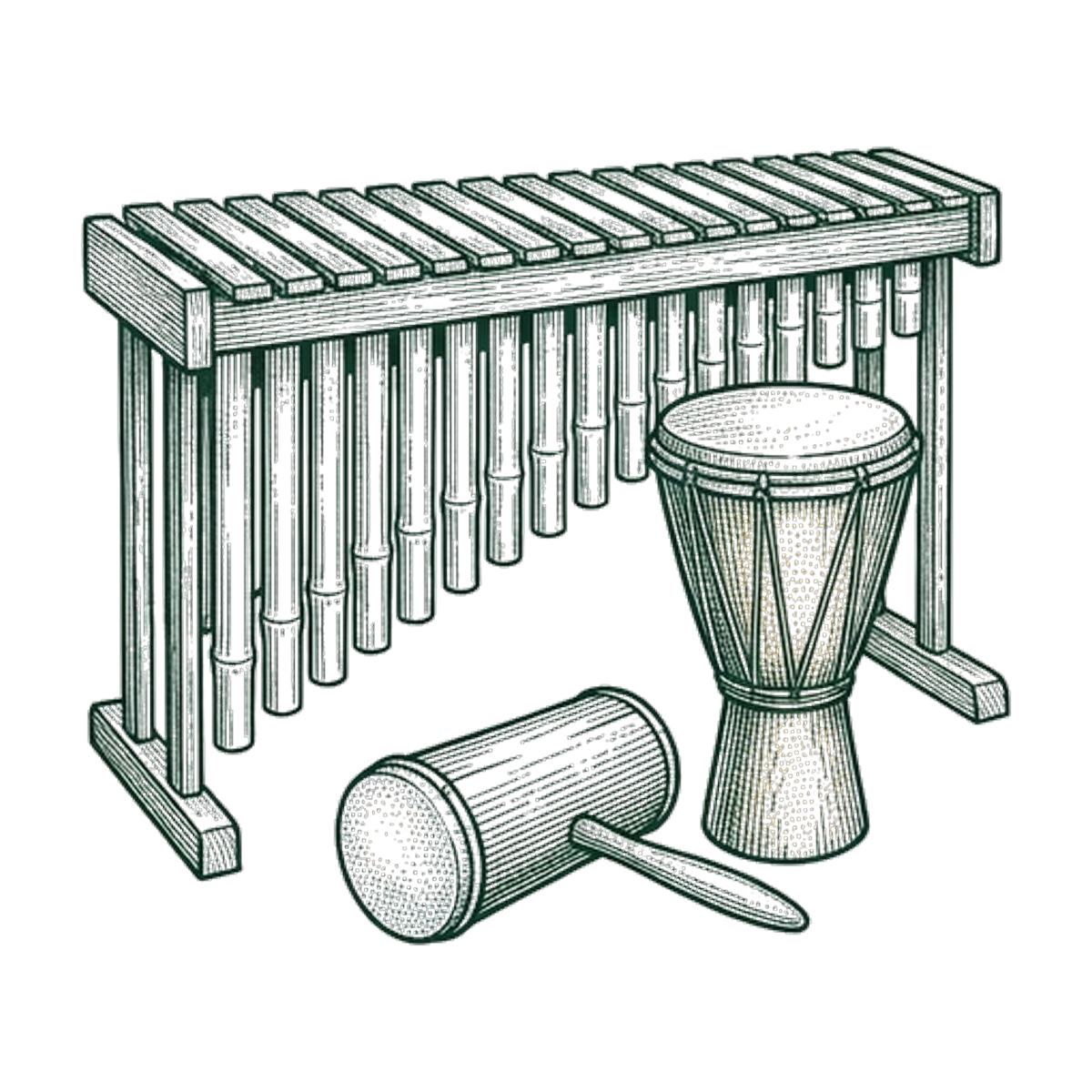
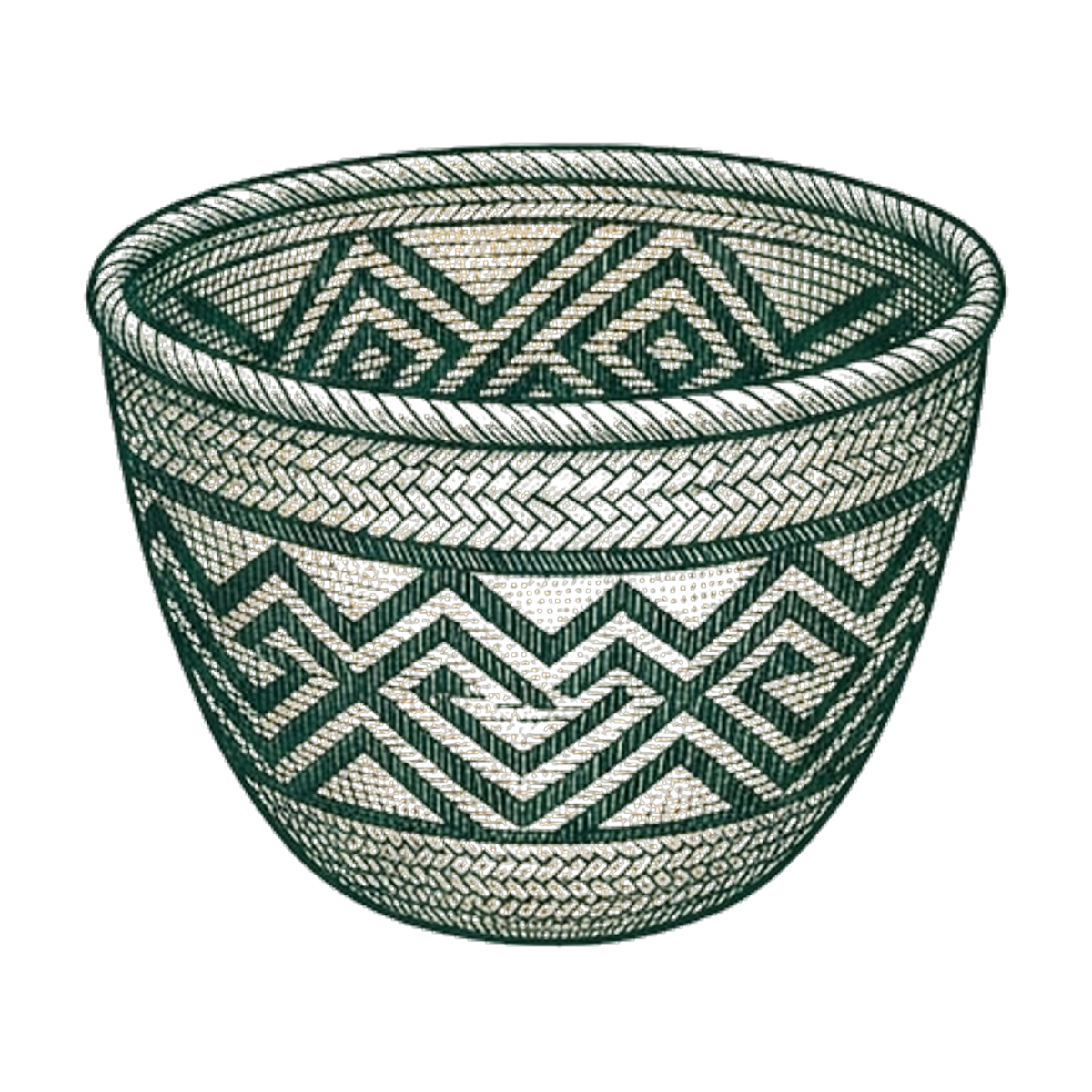
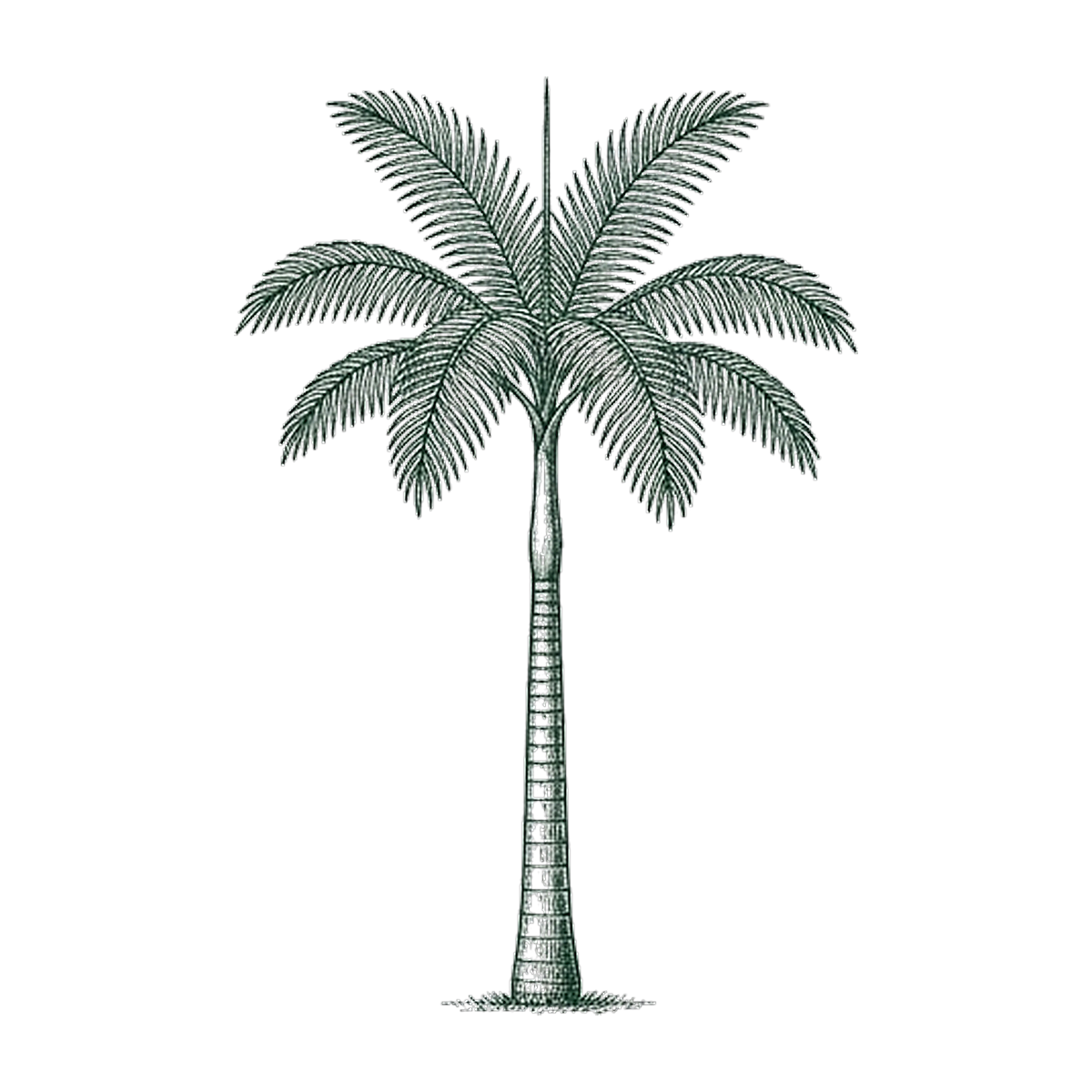
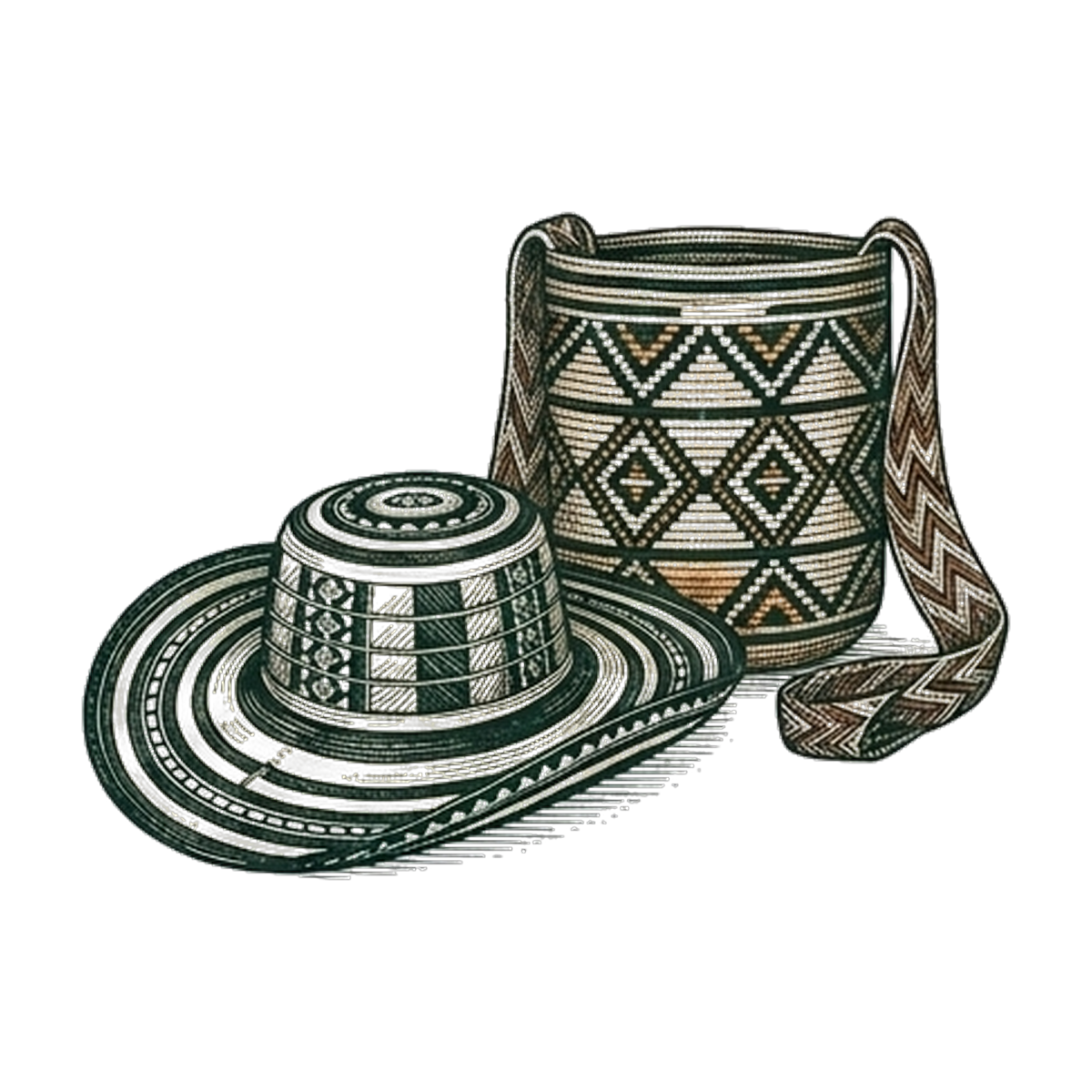
Culturally, the Pacific coast is a vibrant sanctuary of Afro-Colombian and Indigenous Emberá and Wounaan heritage. Guests experience the polyrhythmic resonance of the UNESCO-recognized Marimba de Chonta (carved from palm wood and Guadua bamboo resonators), Cununo drums, Pacific viche botanical spirits, and museum-grade Cestería en Werregue baskets woven so tightly from astrocaryum palm fibers that they can carry water.