Beyond Guatapé & Provenza →
This is the kind of things we find on the hike.
↑ Ophiocordyceps — actual trail find on a night walk
National Geographic-Style Field Expeditions · Colombia (#1 Biodiversity / km²)
See what scientists see.
Step into the world's most biodiverse cloud forests with a publishing Colombian biologist—for a morning or a weekend.
Two ways to see a forest.
You'd walk past it. Your biologist won't.
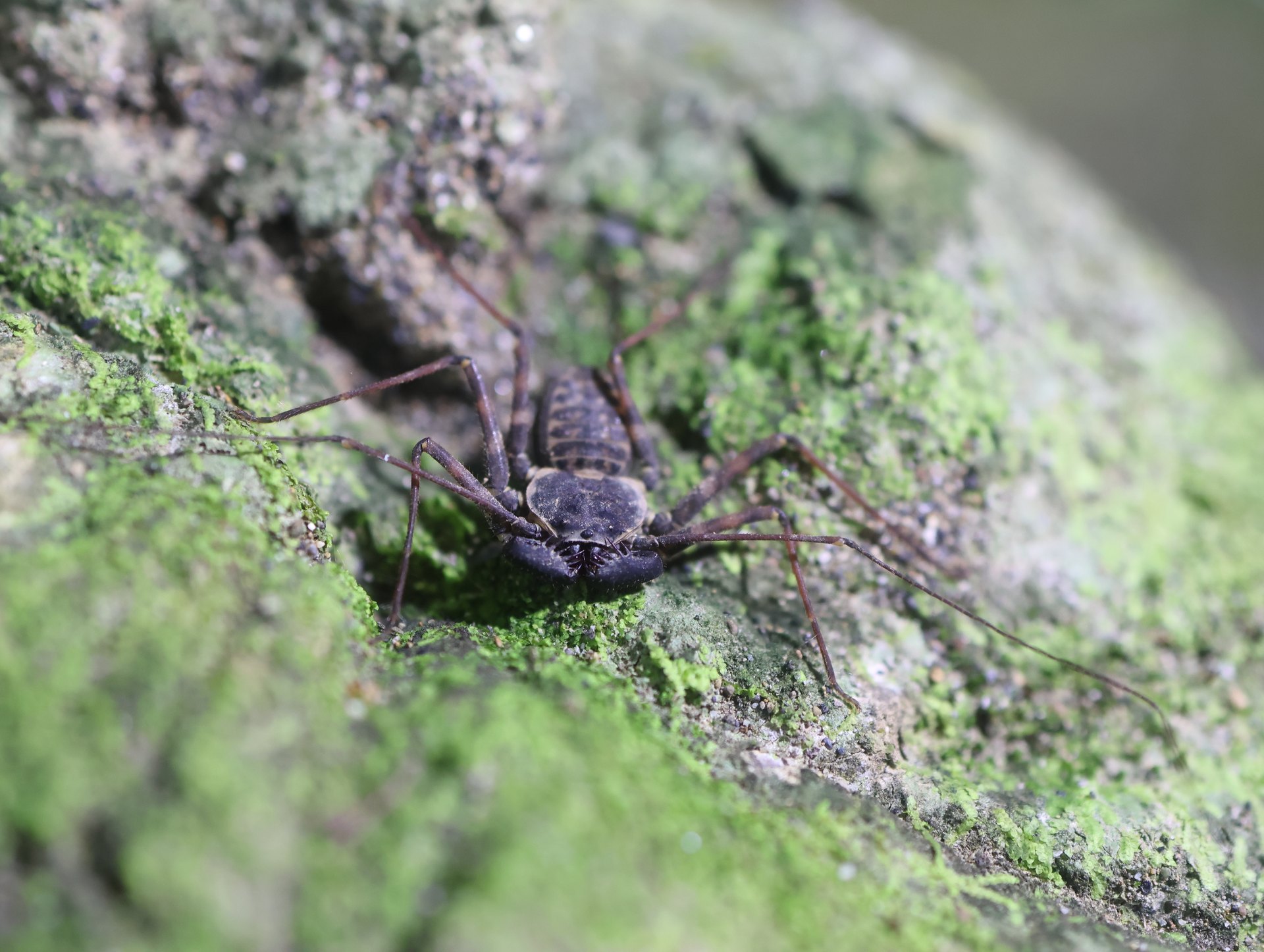
Tourist:“Is that a giant scorpion?! Don't get close to that tree!”
Biologist:Amblypygi — Not a spider. Not a scorpion. Zero venom.
Chapter 01 · #1 on Earth in Orchid Diversity · 4,270+
Orchids
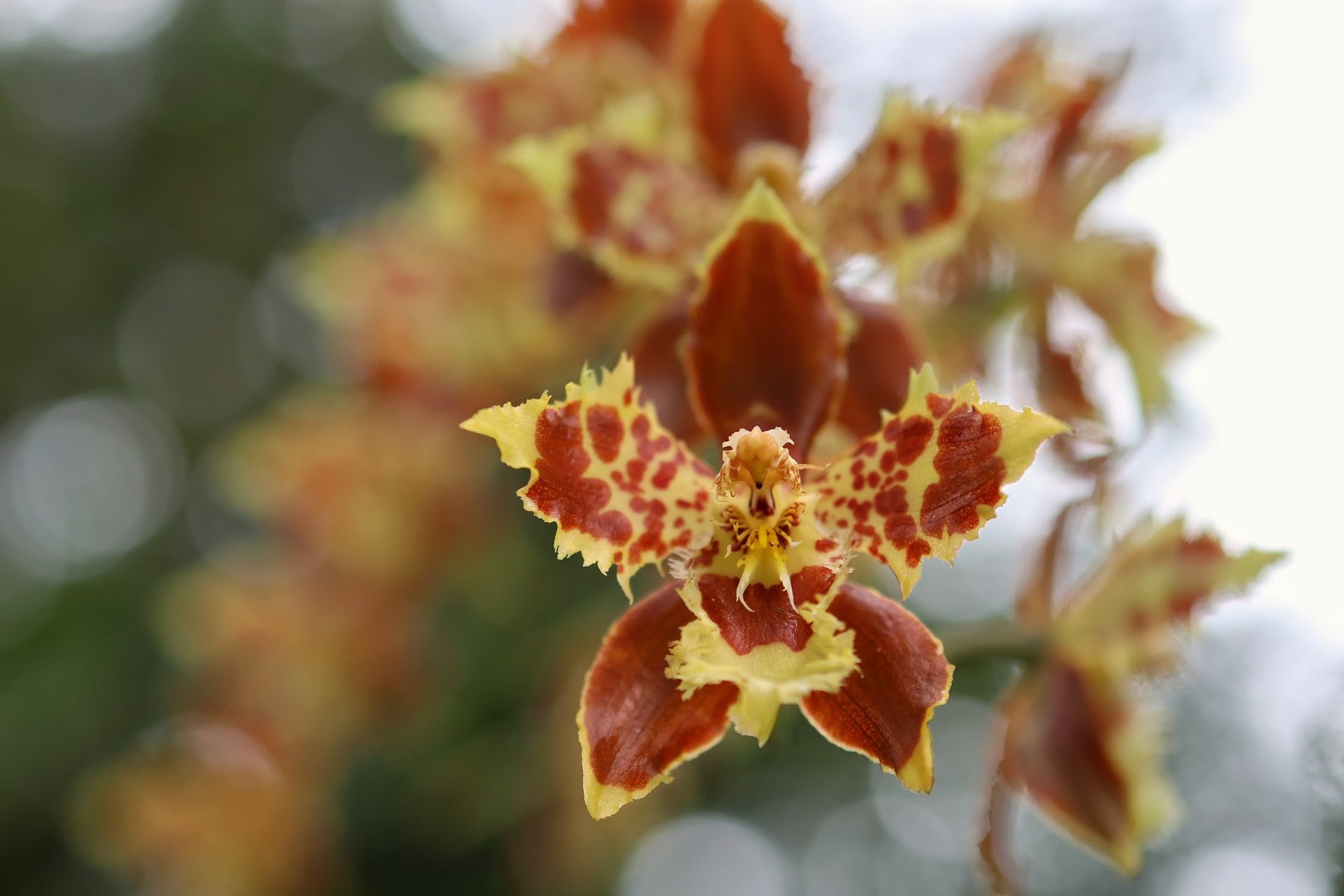
Most people picture greenhouse Cattleyas. In our 2,450 m cloud forests above Medellín, over 80% of wild orchids are miniatures (Pleurothallis, Lepanthes, Dracula, Masdevallia) that mimic mushrooms or lure microscopic fungus gnats.
Chapter 02 · #1 on Earth in Birds & Hummingbirds · 1,960+
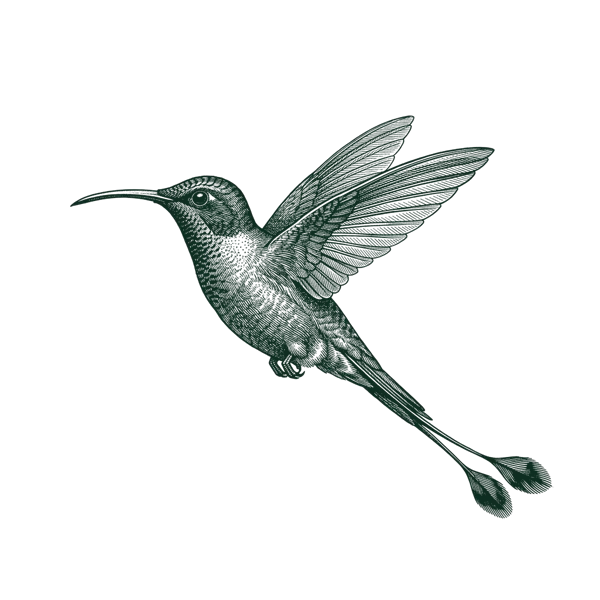
Colibríes
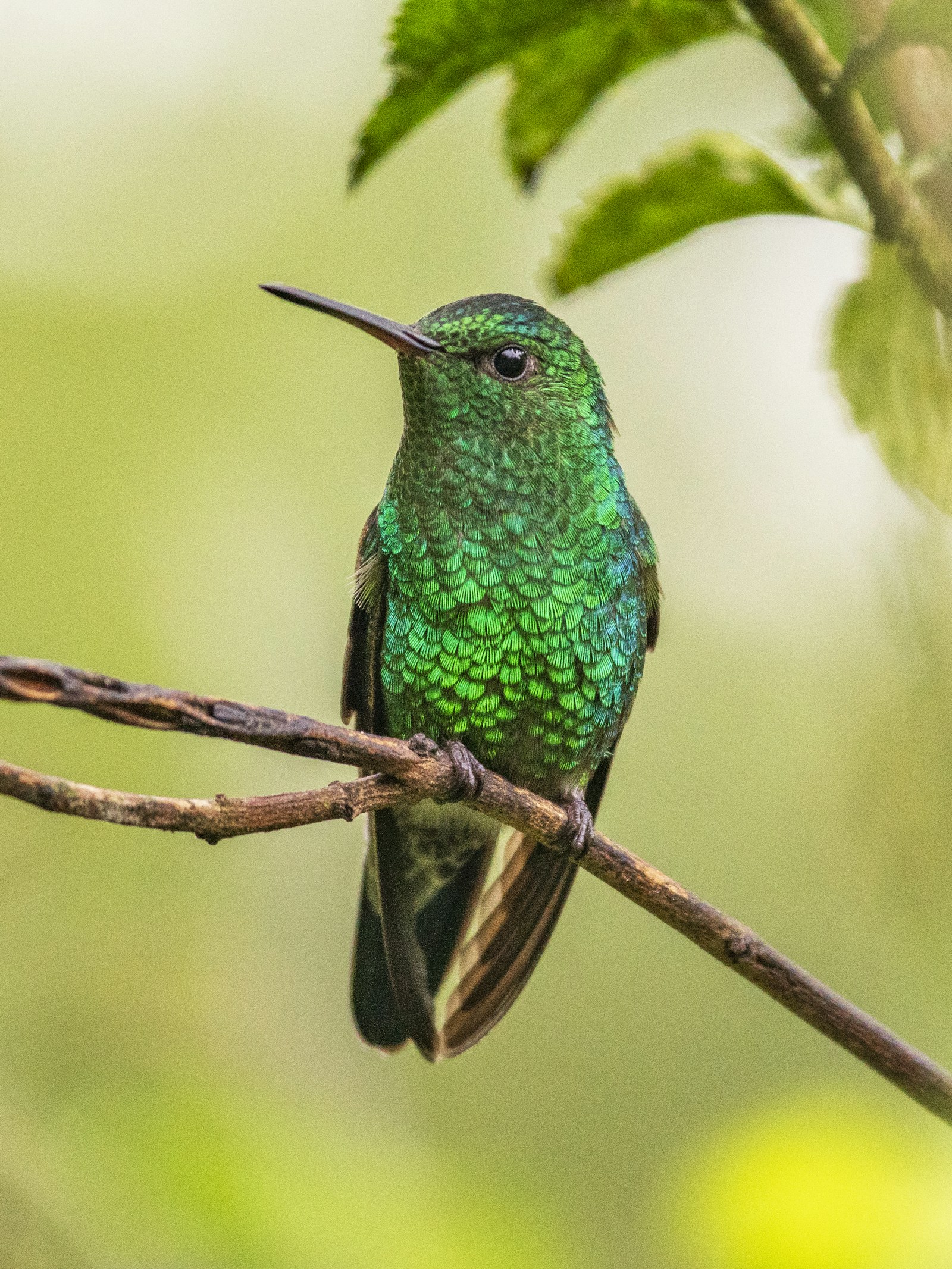
Because the Andes split into three separate mountain ranges in Colombia, isolated valleys evolved their own hummingbirds, toucanets, and mountain tanagers. From the Booted Racket-tail with cotton-white leg puffs to high-páramo Helmetcrests, our ornithologists know their territorial calls before they even land on a Heliconia flower..
Chapter 04 · after 7 pm
Night
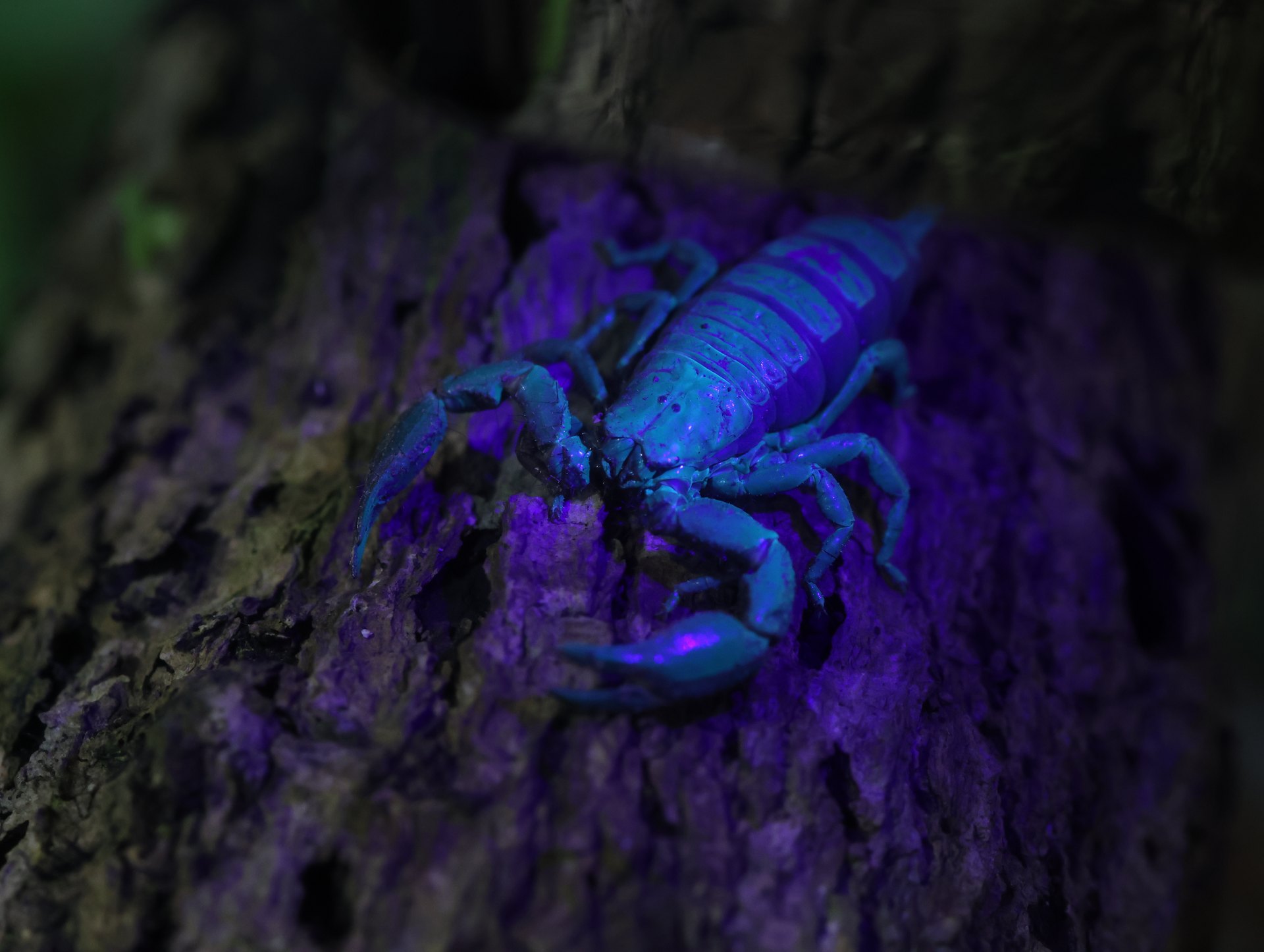
After dark the forest switches on. Under UV light, scorpions glow electric blue, and scientists still argue about why.
Move your torch.Drag your finger to shine the torch.
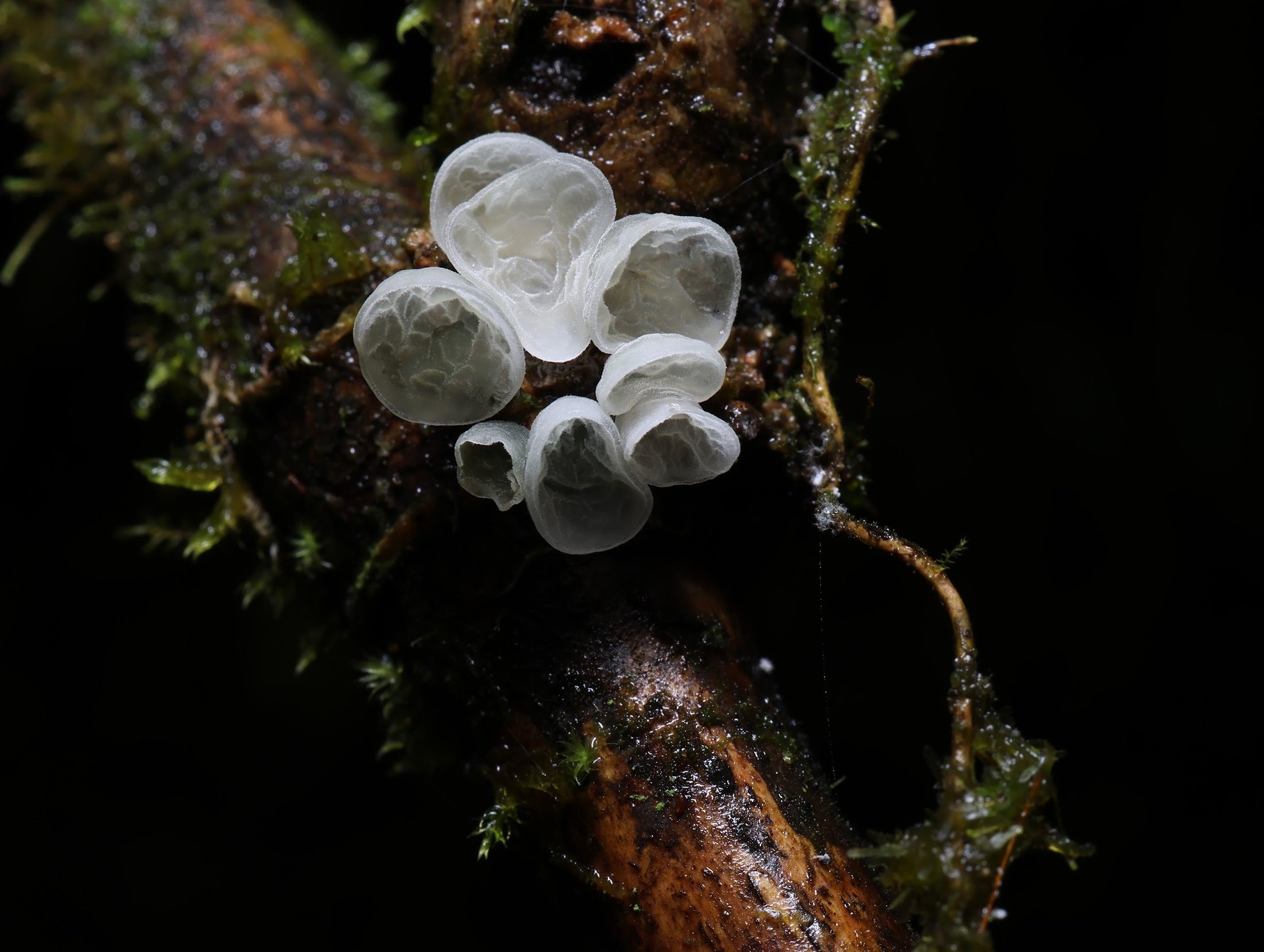
Chapter 04 · Neotropical Cloud-Forest Mycology Frontier · 7,200+
Kingdom Fungi
When the Colombian Oak (Quercus humboldtii) migrated south into the Andes, it brought northern mycorrhizal fungi into collision with tropical rainforest decomposers. On a single fallen trunk in Santa Elena or El Romeral, we find translucent white Mycena bonnets, scarlet cup fungi, and parasitic Cordyceps fruiting bodies growing straight out of buried arthropods..
Chapter 05 · #1 on Earth in Annual Rainfall & High-Andean Páramos · 12,000 mm
Water & Rain
Why does Colombia burst with so much life? Water. Warm air rising off the Pacific Ocean and Amazon basin slams into three 5,000-meter Andean mountain ranges, making Colombia the rainiest country on Earth.
The specimen drawer
Pick your trip.
- Mornings · 5 hours
Specimen No. 01Andina
Wild Orchid Walk
Cyrtochilum ramosissimum
Find orchids smaller than your fingernail in a cloud forest above the city.
From $95 / person
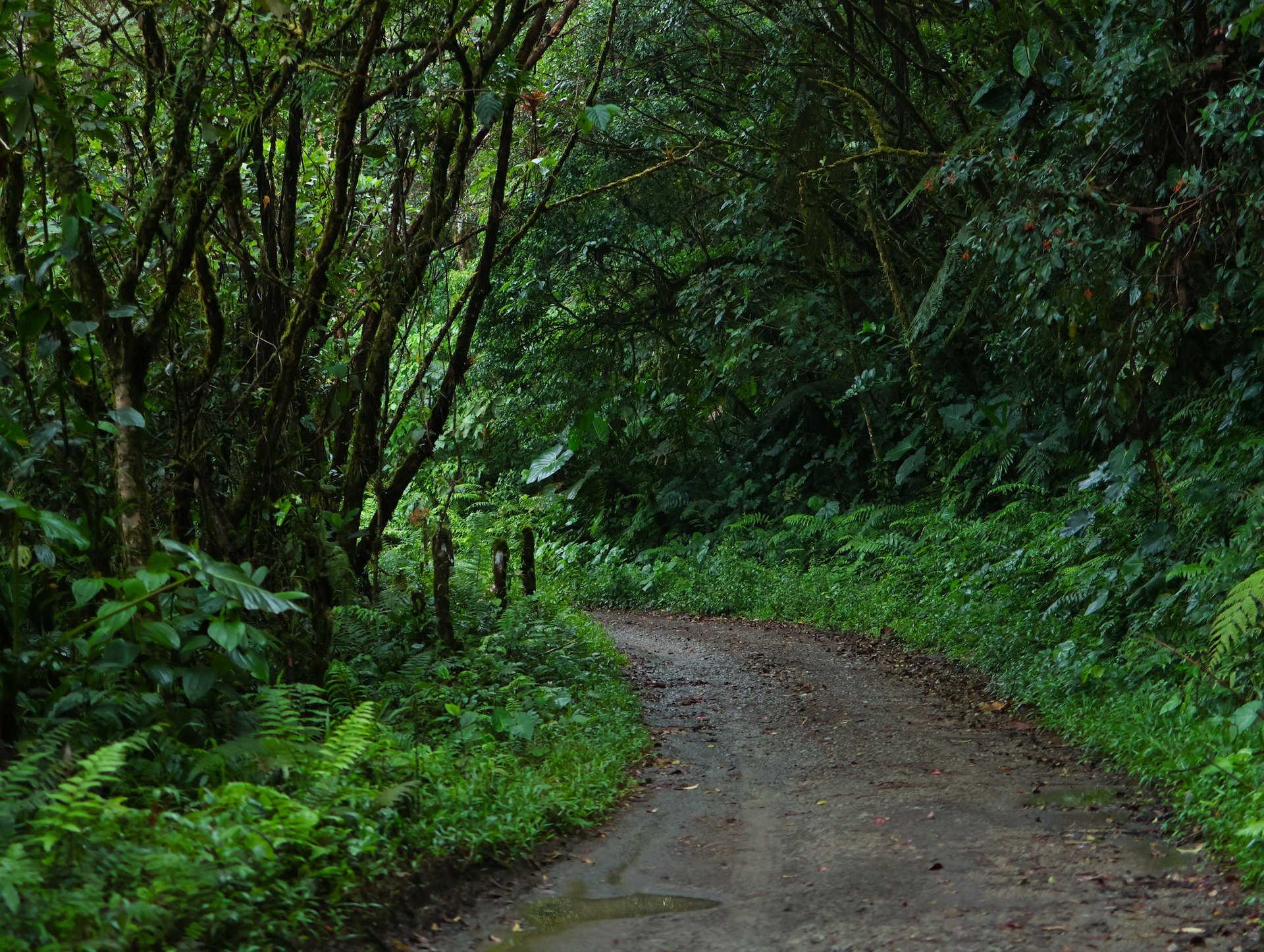 Sunrise · 5 hours
Specimen No. 02Andina
Hummingbird Morning
Ocreatus underwoodii
Coffee on a feeder deck while 14+ hummingbird species come to you.
From $95 / person
- Mornings · 5.5 hours
Specimen No. 03Andina
Fungi & Giant Leaves
Anthurium warocqueanum & A. nigrescens
Rare aroids, glowing mushrooms and the flower farms of Santa Elena.
From $98 / person
- Evenings · 4.75 hours
Specimen No. 04Andina
Night Frogs & UV Safari
Centrolenidae & Hylidae spp.
Headlamps on. Glass frogs, vine snakes and scorpions that glow under UV.
From $105 / person
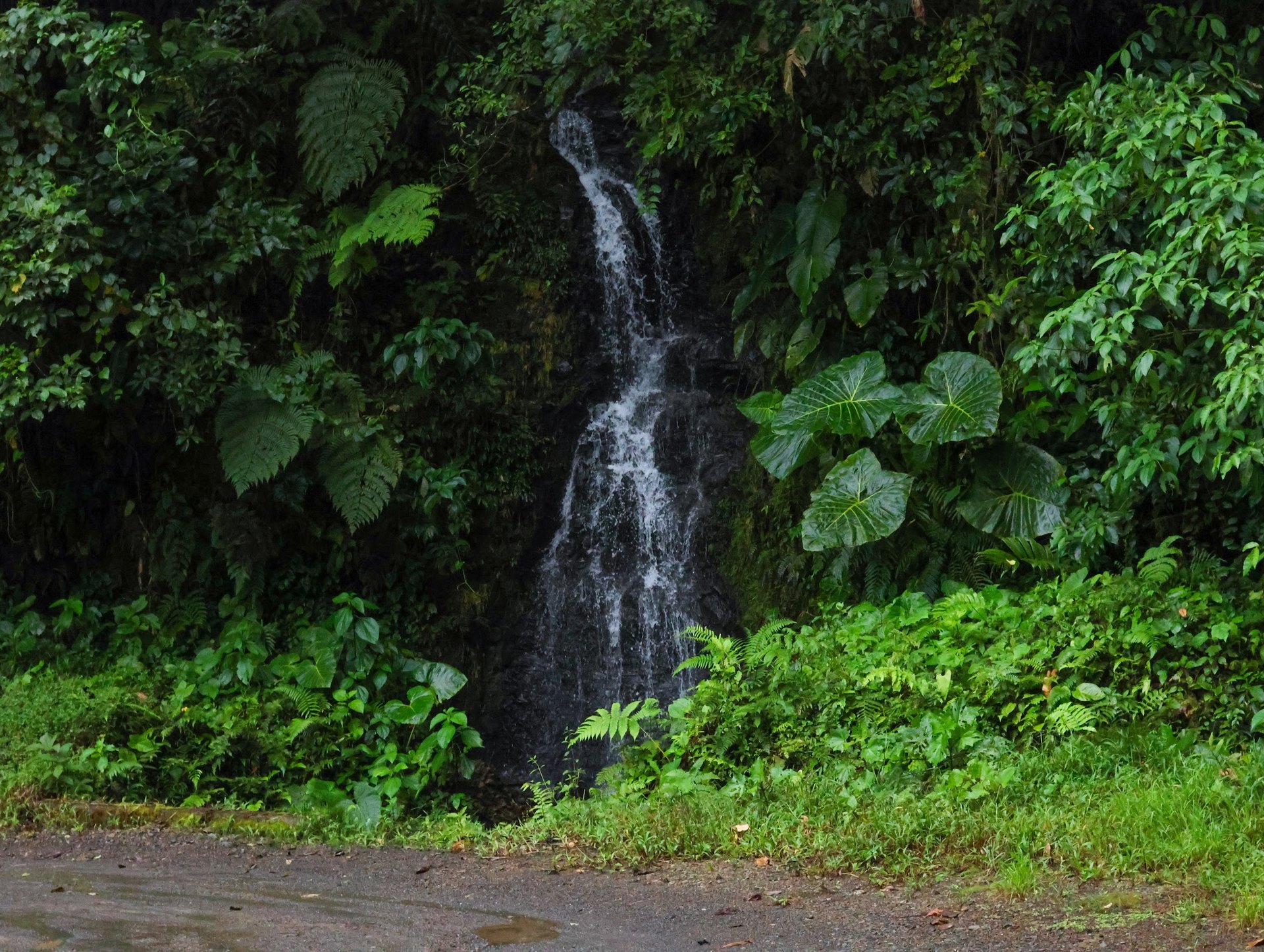 Full day
Specimen No. 05Andina
Río Melcocho Canyon
Morpho peleides & Greta oto
Swim in emerald river pools and watch blue morphos cross the canyon.
From $145 / person
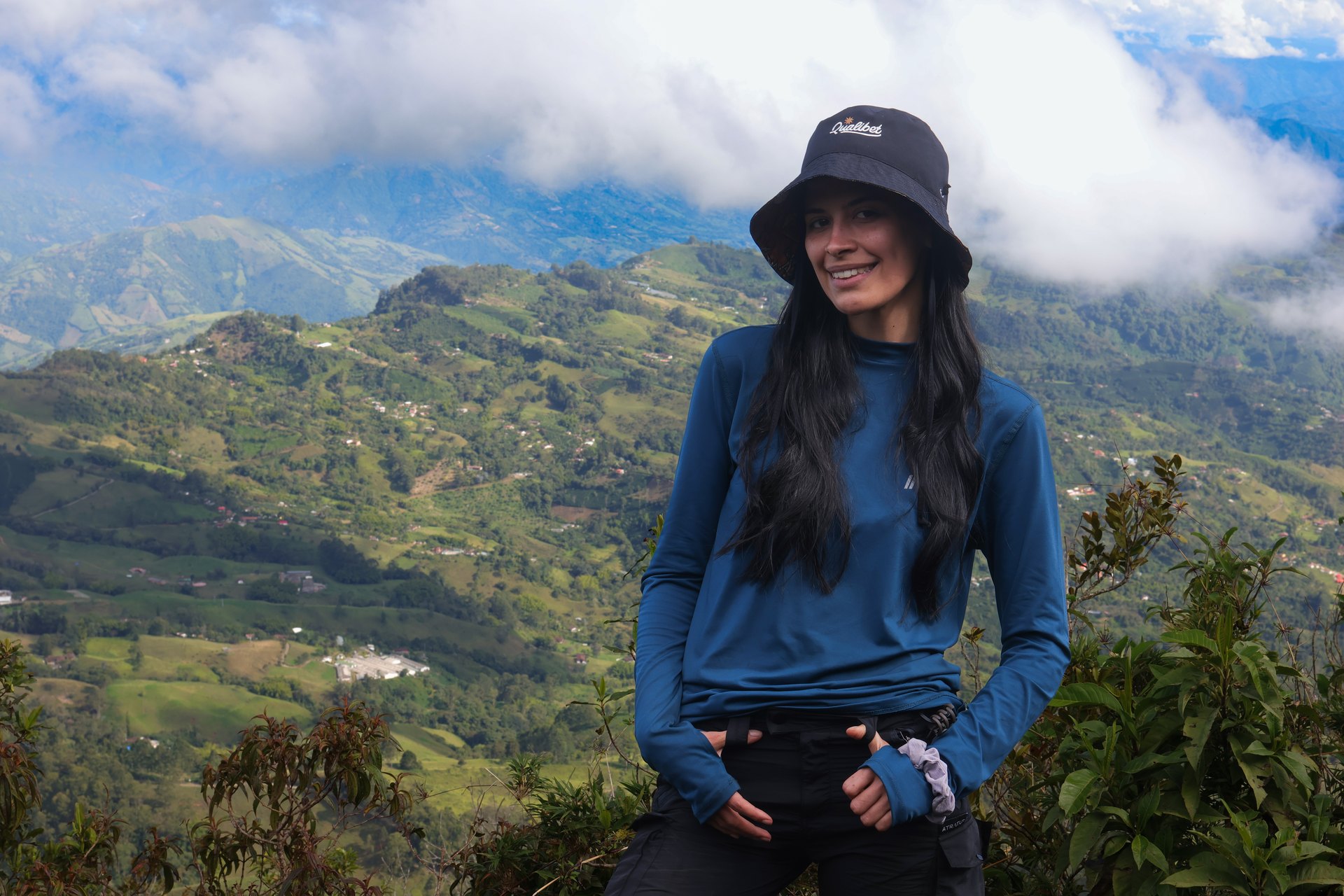 Full day
Specimen No. 06Andina
Páramo de Belmira
Espeletia occidentalis
Walk among frailejones at 3,300 m, where Medellín's water begins.
From $155 / person
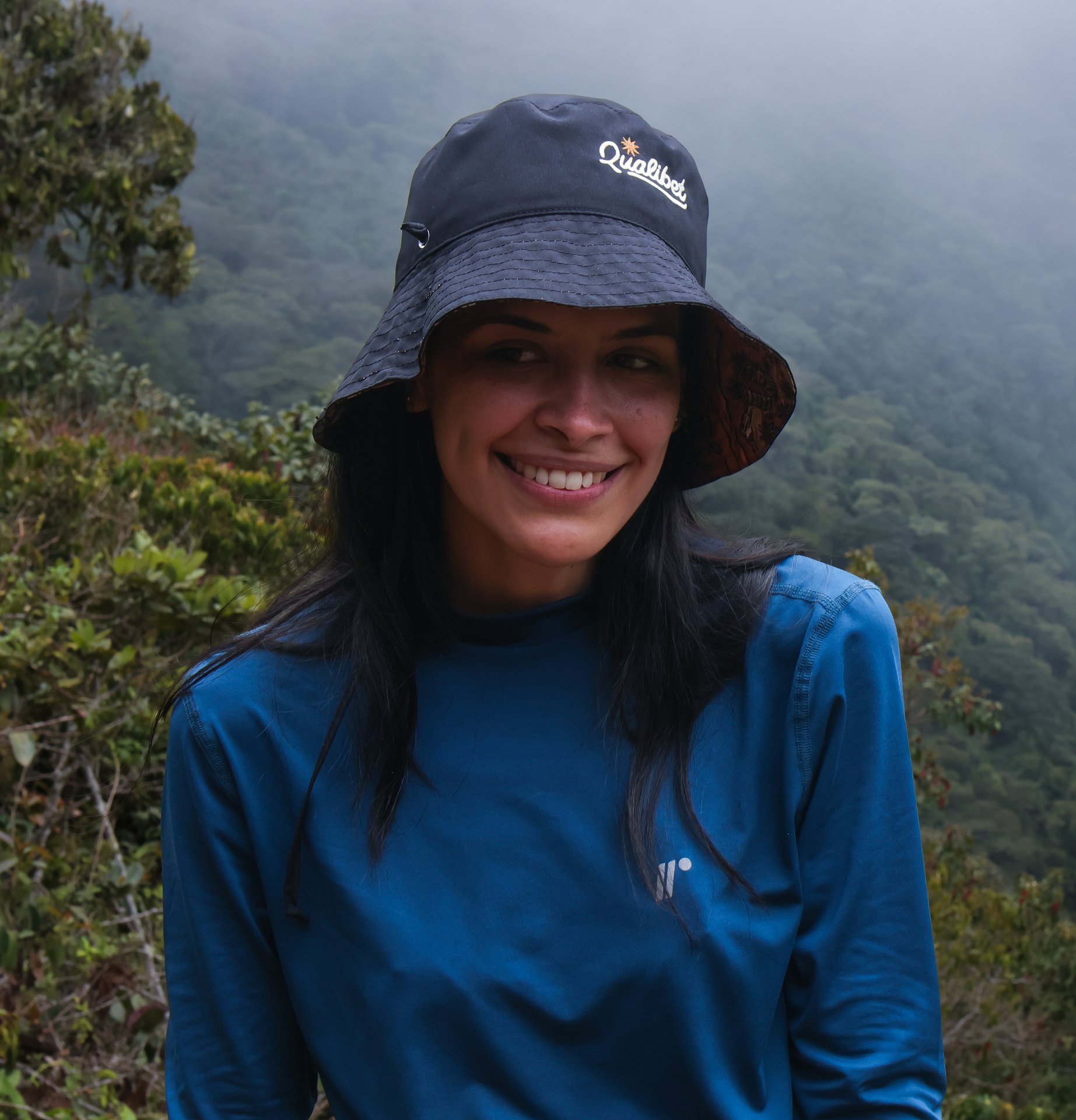 Full day
Specimen No. 07Andina
Coffee, Fruit & Waterfalls
Coffea arabica & Theobroma cacao
Shade-grown coffee farms, strange fruit and a waterfall swim.
From $135 / person
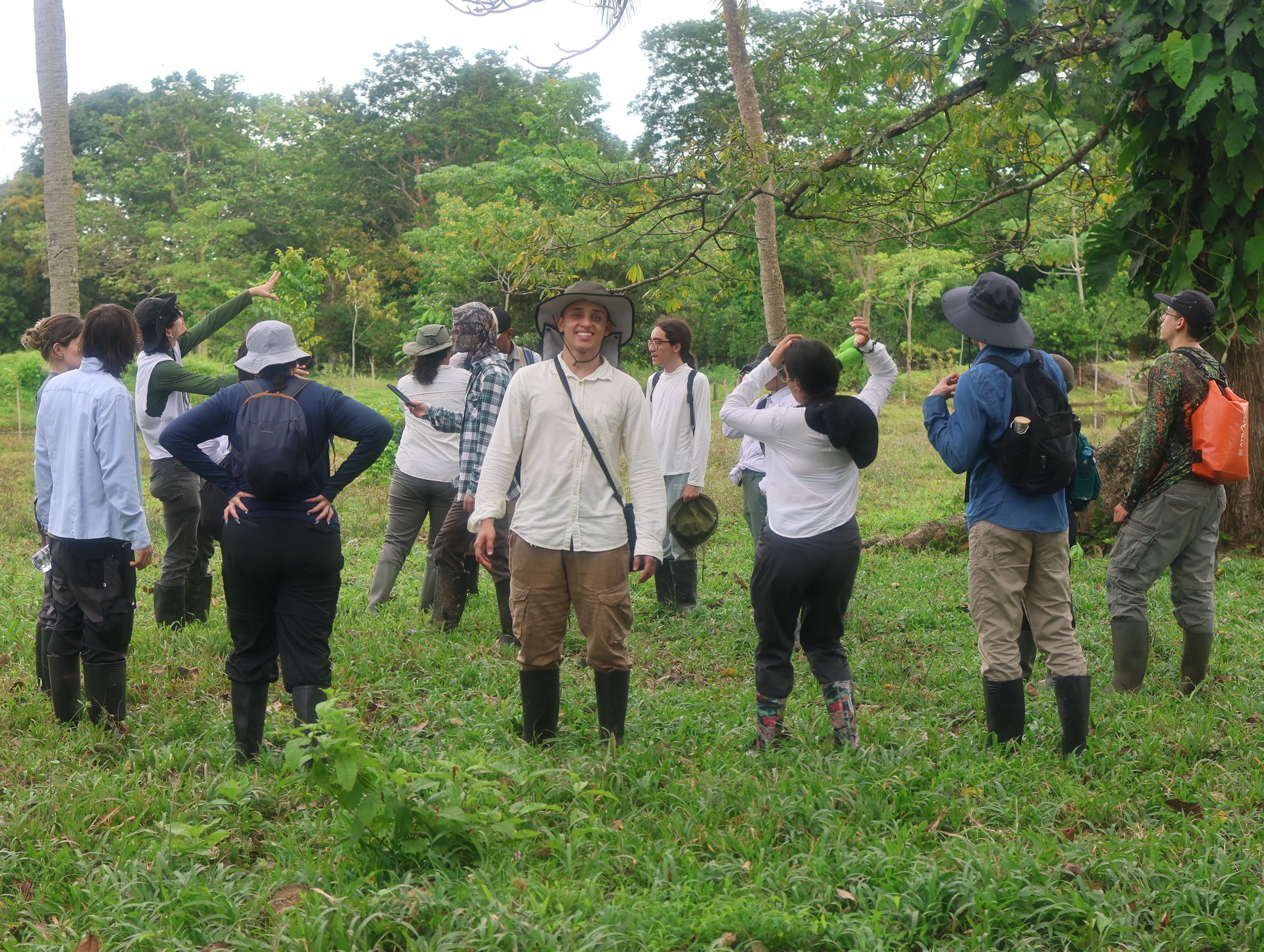 2 days
Specimen No. 08Andina (Magdalena Medio Transition)
Río Claro & the Oilbird Cave
Ceiba pentandra & Cavanillesia platanifolia
Marble canyons, tamarins, and a cave full of night-flying oilbirds.
From $420 / person
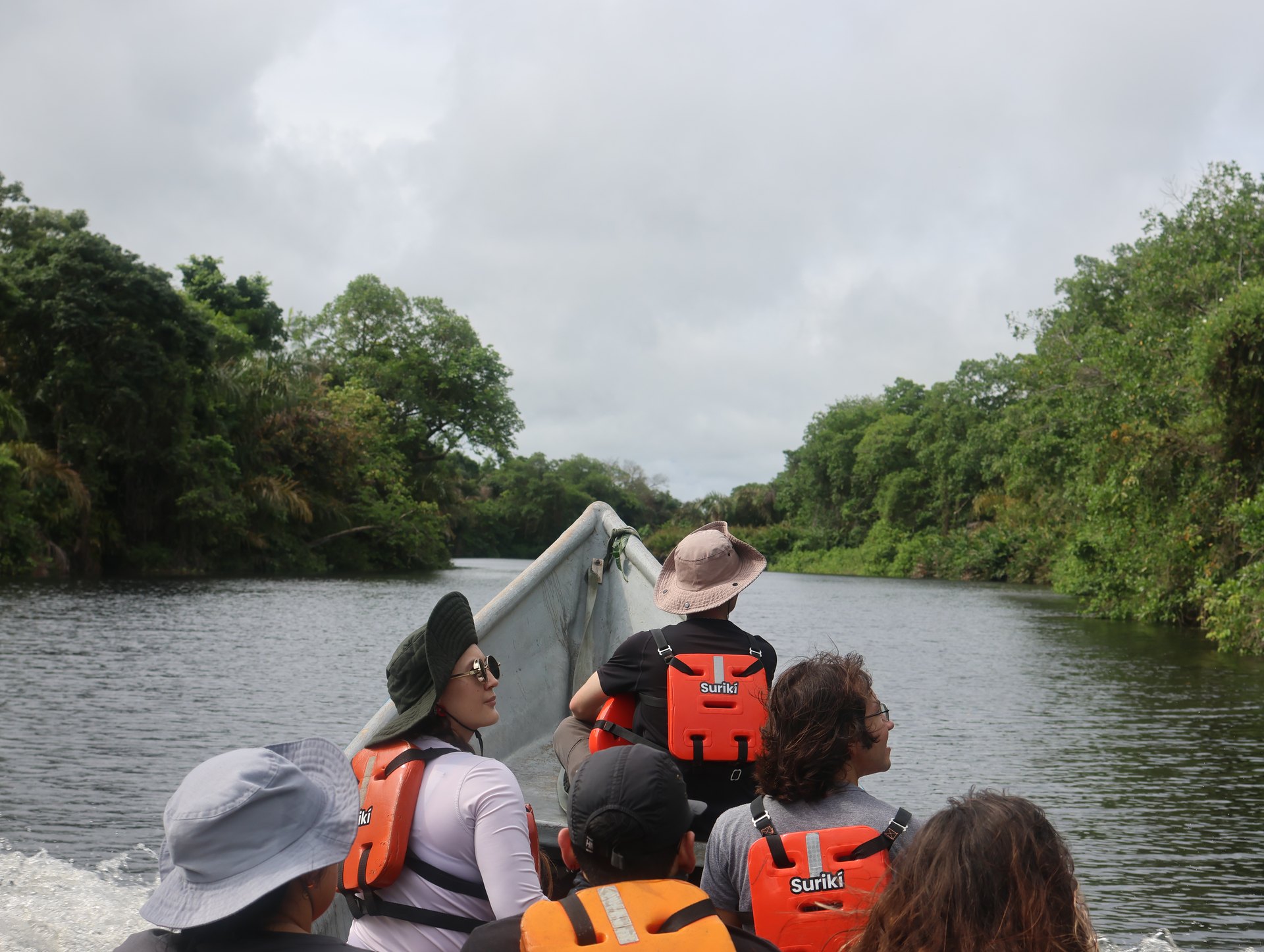 4 days
Specimen No. 09Pacífica (Chocó)
Chocó Whales & Dart Frogs
Megaptera novaeangliae
Humpbacks offshore, poison frogs in the rainforest, one of the wettest places on Earth.
From $1490 / person
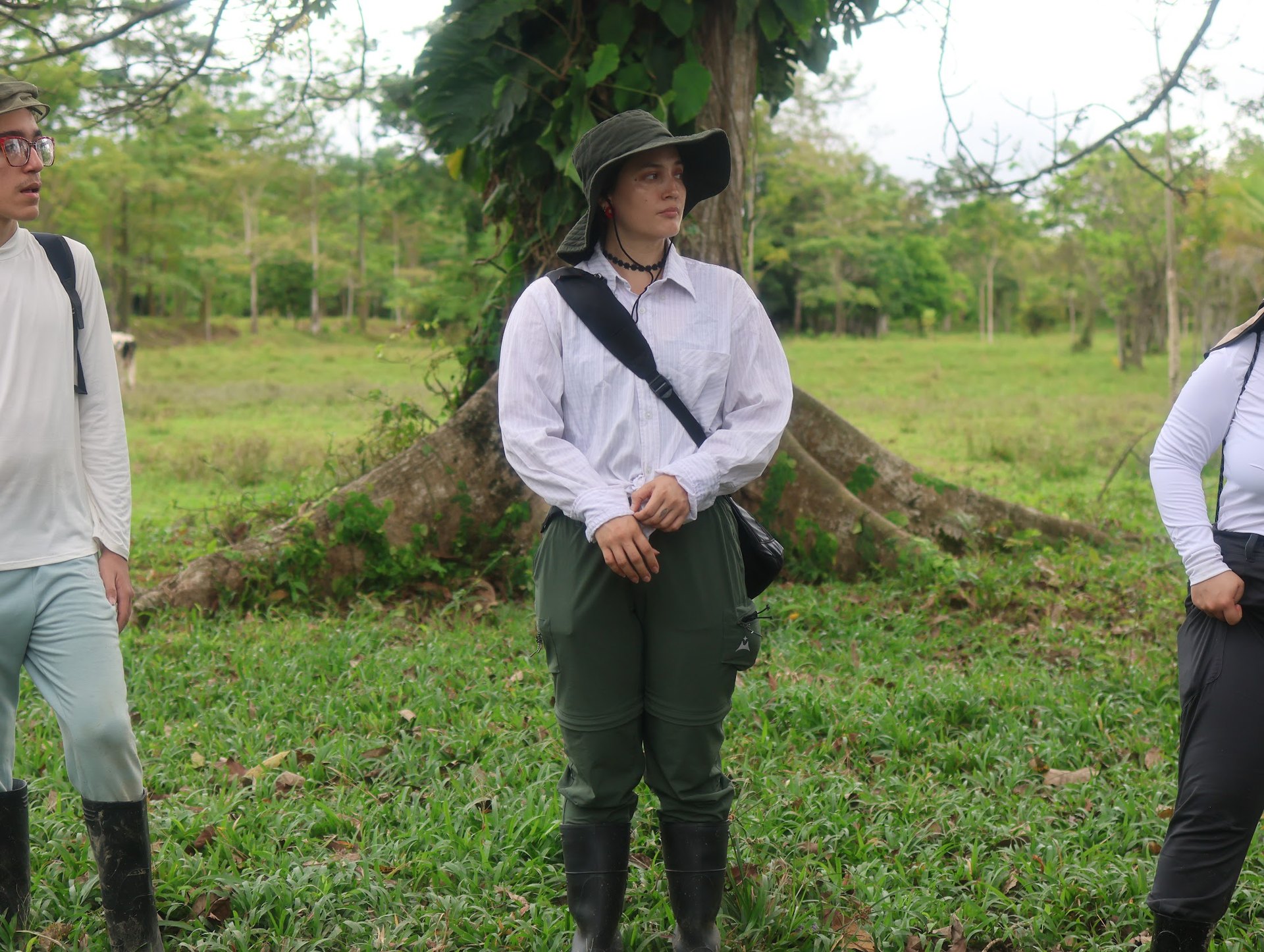 4 days
Specimen No. 10Caribe (Sierra Nevada)
Sierra Nevada Birding
Pyrrhura viridicata & Coeligena phalerata
The world's highest coastal mountains and birds found nowhere else.
From $1390 / person
← drag the drawer →
Notes left
on the wall.
go on, move them around
★★★★★
“We photographed 19 wild orchid species in a single morning—including Pleurothallis and Cyrtochilum in bloom”
Dr. Clara LindqvistSweden 
★★★★★
“14 hummingbird species at eye level—the Swarovski optics and feeder deck access are unmatched”
Sophie van der BergNetherlands ★★★★★
“Wild Anthuriums, translucent porcelain fungi, and Santa Elena Silletero culture in one half-day”
Julian Vance-KerrUnited Kingdom ★★★★★
“UV biofluorescent scorpions, whip spiders, tree frogs, and a cat-eyed snake—unreal night herping!”
Henrik & Astrid SolbergNorway 
★★★★★
“The highlight of our two weeks in Colombia—private, unhurried, and genuinely scientific”
Marcus & Elena VanceUnited States 
★★★★★
“Our kids didn't look at their phones once for five straight hours”
David & Maya ChenCanada
IV · Who leads your expedition →
Field biologists.
Never tour-bus scripts.
Every walk is led by a practicing Colombian researcher who publishes in these cloud forests and speaks fluent English. Click any card for their scientific dossier.

Your first page is blank.
Come fill it in.
Tell us your dates and what you're dying to see. A biologist will plan the morning around it.