Orinoquía / Llanos Region: The 'River of Five Colors' (Caño Cristales), Flooded Savannas & Llanero Wildlife Safaris
Living IsotipoNatural Region 04 of 06 • Región de la Orinoquía (Llanos Orientales)

Orinoquía / Llanos Region: The 'River of Five Colors' (Caño Cristales), Flooded Savannas & Llanero Wildlife Safaris

Vast Orinoco river plains, Moriche palm oases, and the Precambrian quartz tablelands of Serranía de la Macarena—where crimson Macarenia clavigera blooms underwater and Giant Anteaters, Orinoco Crocodiles, Capybaras, and Scarlet Ibises roam alongside traditional Joropo horse culture.

Elevation Band

100 m – 1,600 m (Serranía de la Macarena)

Territory Share

18.0% of Colombia (~254,335 km²)

Thermal Floors

Tropical Flooded Savanna (Esteros & Morichales) & Guiana Shield Rupestrian Tablelands +

Departments

Meta (La Macarena), Casanare, Arauca

01Bogotá / Medellín Regional Flight
──→
02La Macarena & Guayabero River
──→
03PNN Caño Cristales (Macarenia clavigera)
──→
04Casanare Flooded Esteros & Morichales
──→
05Traditional Hato Llanero Conservation Ranch
Region 04 • Región de la Orinoquía (Llanos Orientales)18.0% of Colombia (~254,335 km²)

Biogeography, Thermal Floors & Living Heritage of the Orinoquía / Llanos Region

CLIMATE & BIOMES: Tropical Flooded Savanna (Esteros & Morichales) & Guiana Shield Rupestrian Tablelands
DEPARTMENTS: Meta (La Macarena), Casanare, Arauca, Vichada

East of the Eastern Cordillera, the Andes drop abruptly into an ocean of grass and water: the Región de la Orinoquía, known across Colombia as Los Llanos Orientales. Drained by the mighty Meta, Guaviare, Arauca, and Vichada rivers on their journey to the Orinoco, this seasonal wetland savanna is South America's premier open-country wildlife viewing frontier—often compared to the Pantanal or the Okavango Delta.

On the southwestern edge of the Llanos rises the Serranía de la Macarena, a biological meeting point where Andean, Amazonian, Orinocan, and ancient Guiana Shield flora and fauna converge. Here flows Caño Cristales ('The River of Five Colors'), where from June through November the endemic aquatic plant Macarenia clavigera clings to 1.2-billion-year-old Precambrian quartzite rapids, turning the crystal riverbed ruby-red, magenta, emerald, and gold.

Out on the flooded esteros and Moriche palm swamps (Mauritia flexuosa) of Casanare, private conservation hatos (traditional cattle ranches converted into wildlife sanctuaries) protect dense populations of Giant Anteaters (Myrmecophaga tridactyla), Orinoco Crocodiles (Crocodylus intermedius), pumas, jaguars, green anacondas, thousands of Chigüiros (capybaras), and clouds of Scarlet Ibis (Corocora Roja)—celebrated at dusk around the campfire with the UNESCO-listed Cantos de Trabajo de Llano and the rapid strings of the Arpa Llanera, Cuatro, and Maracas.
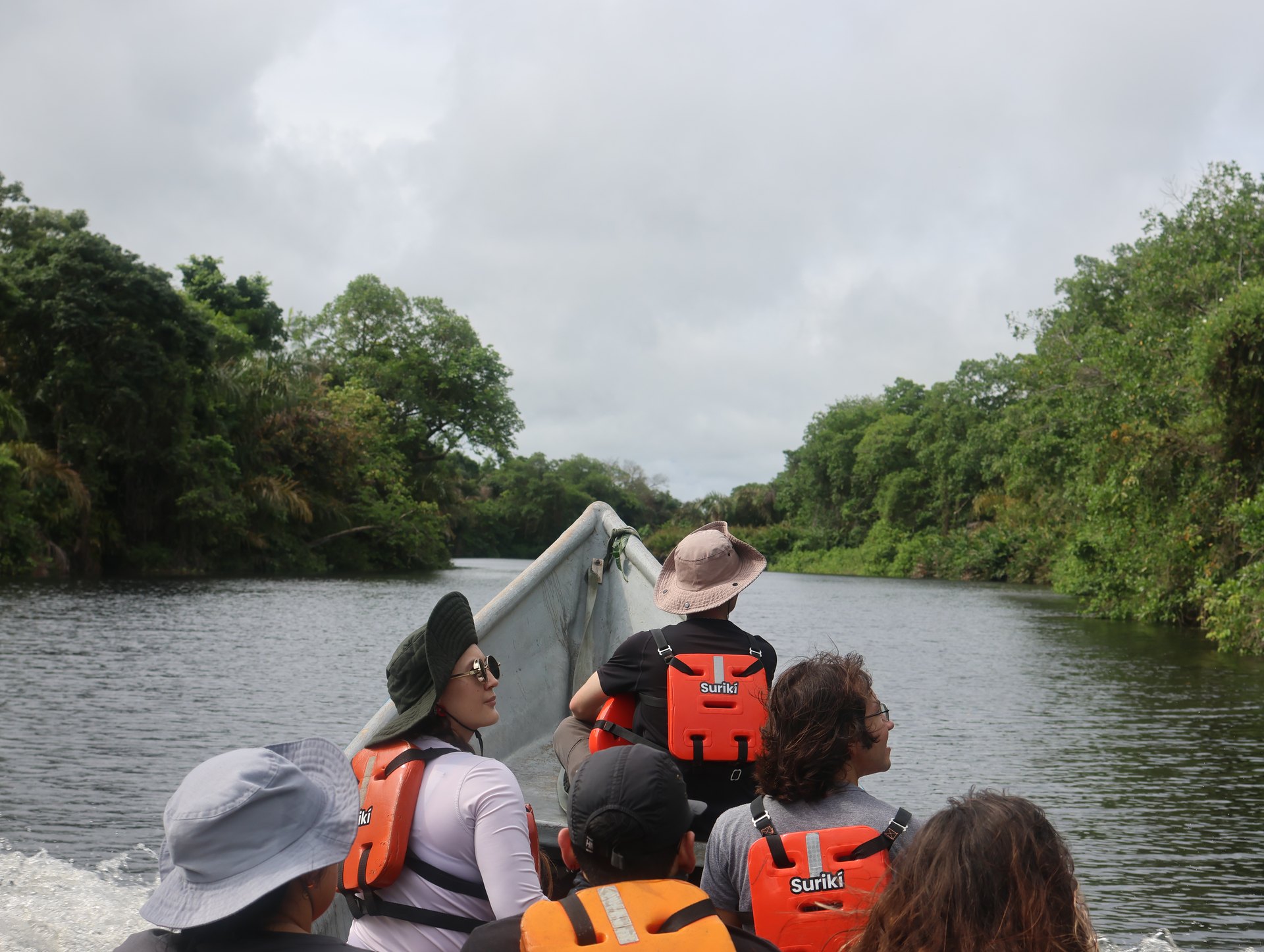

Wooden boat navigation along gallery-forest rivers feeding the Orinoco basin
📸 Wooden boat navigation along gallery-forest rivers feeding the Orinoco basin
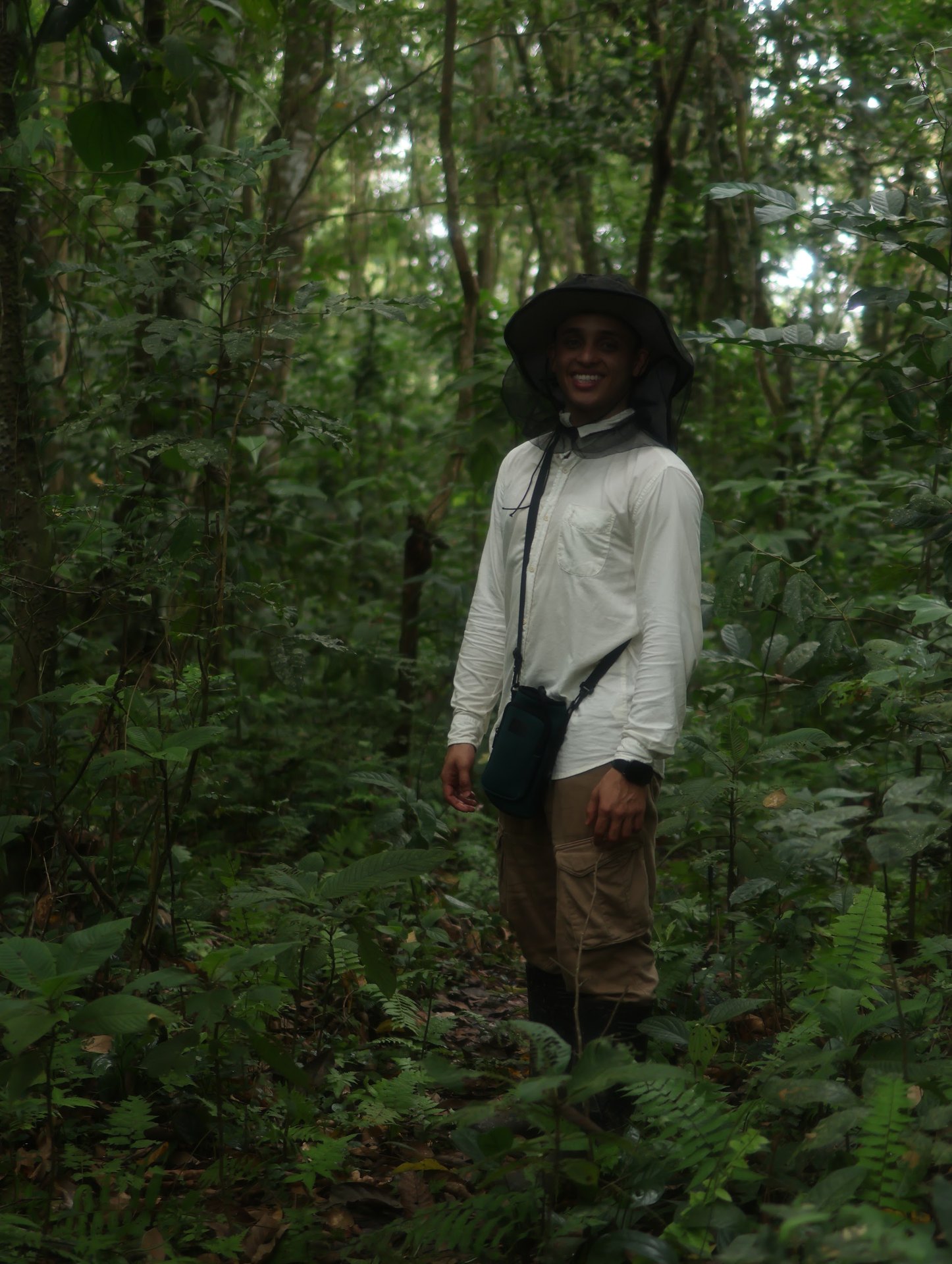
Naturalist guide leading a gallery-forest and wetland transect in rubber boots
📸 Naturalist guide leading a gallery-forest and wetland transect in rubber boots

1920s Humboldt Naturalist Plates • Flora, Fauna & Biomes

Keystone Natural Specimens of the Orinoquía / Llanos Region

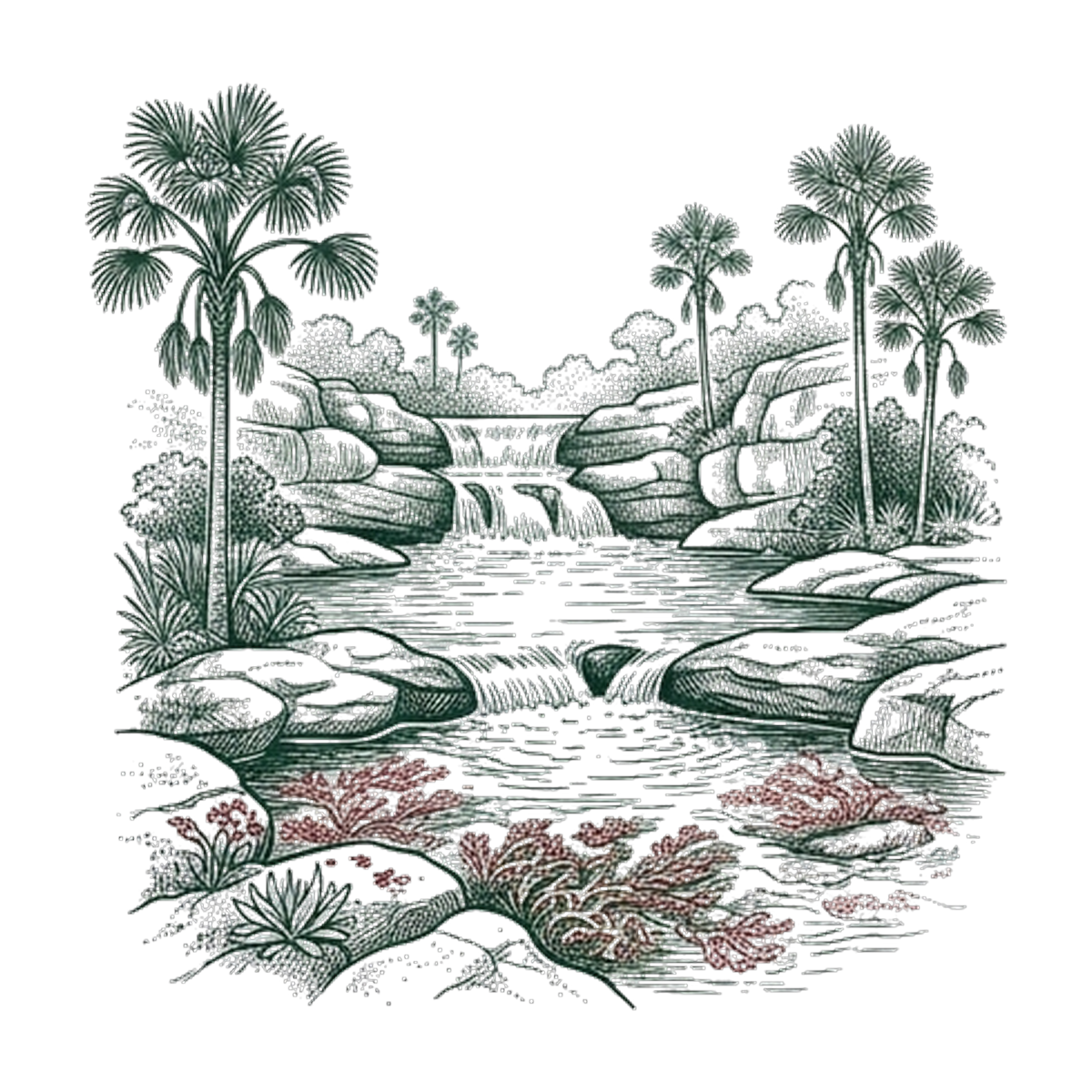
Caño Cristales & Moriche Palm Oasis
Endemic Aquatic Flora & Gallery Swamp

Caño Cristales & Moriche Palm Oasis

Macarenia clavigera & Mauritia flexuosa

Endemic Podostemaceae river plants blooming crimson beneath quartz waterfalls framed by keystone Moriche palms.

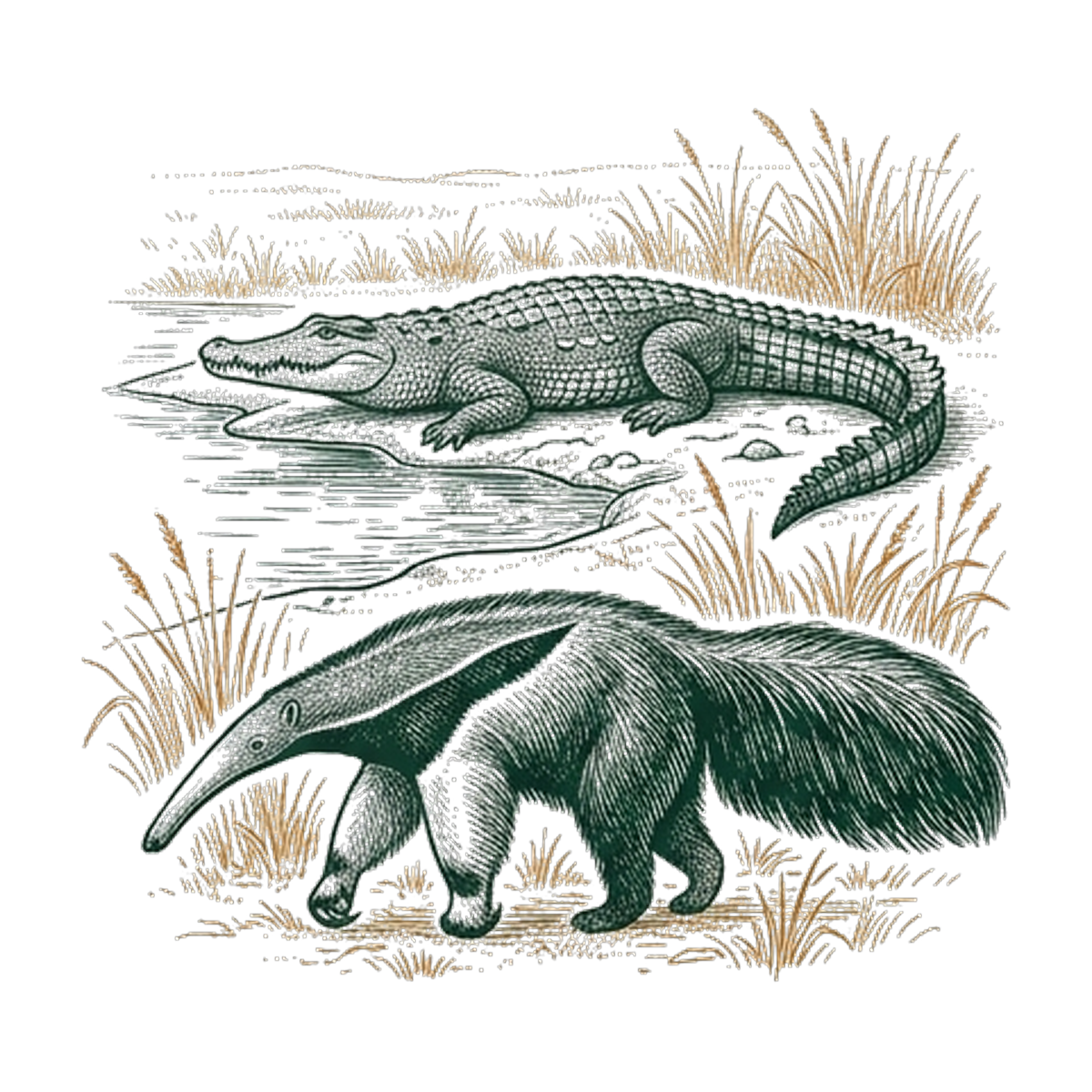
Orinoco Crocodile & Giant Anteater
Llanos Threatened Megafauna

Orinoco Crocodile & Giant Anteater

Crocodylus intermedius & Myrmecophaga tridactyla

One of the world's rarest crocodilians sharing sandy riverbanks and termite-mound savannas with the Giant Anteater.

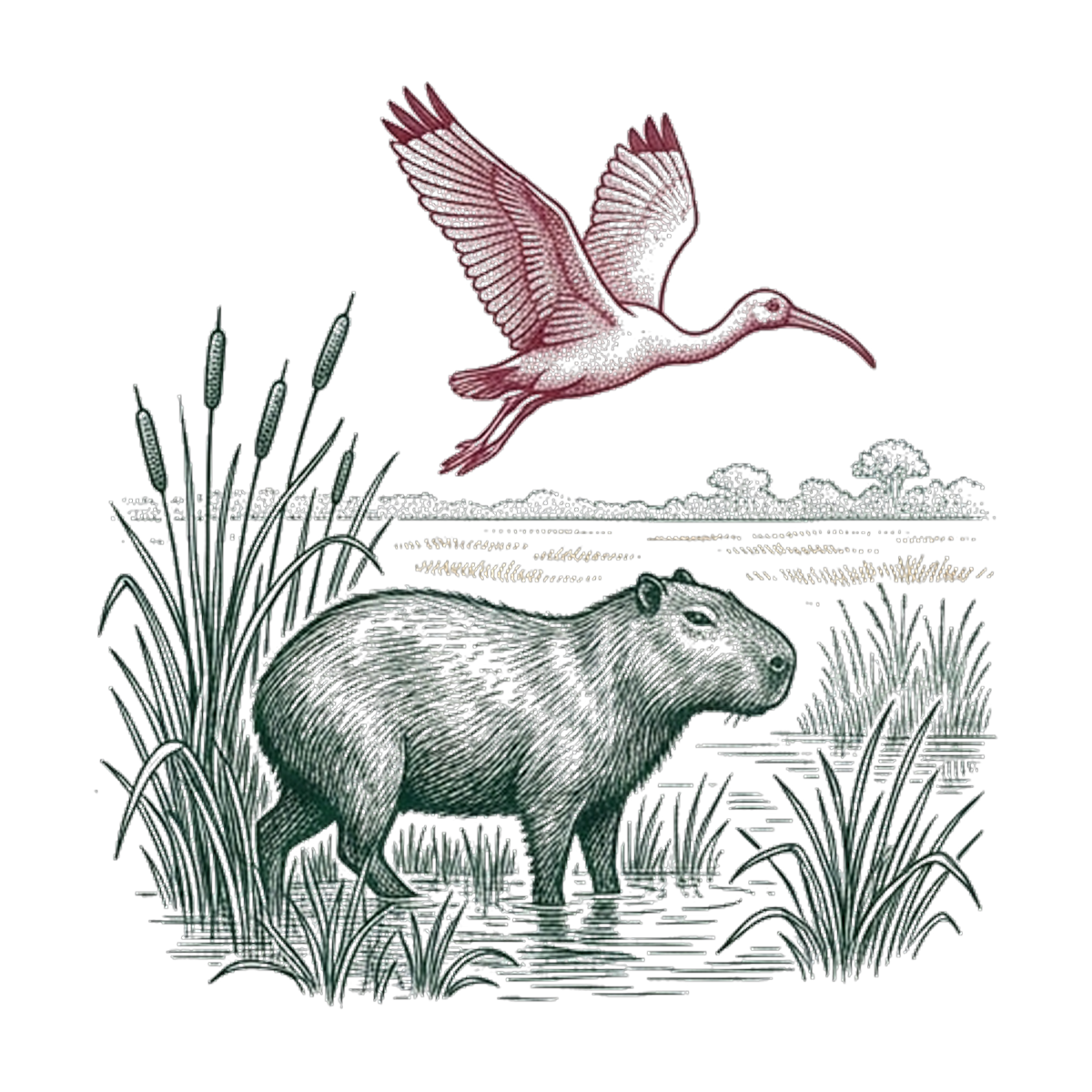
Capybara (Chigüiro) & Scarlet Ibis (Corocora)
Seasonal Estero Wetland Keystone Species

Capybara (Chigüiro) & Scarlet Ibis (Corocora)

Hydrochoerus hydrochaeris & Eudocimus ruber

Vast herds of capybaras grazing shallow savanna lagoons beneath crimson flocks of Scarlet Ibis and Jabiru storks.

Regional Cultural Heritage • Craft, Music & Architecture

Living Cultural Traditions of the Orinoquía / Llanos Region

In Colombia, biological diversity and cultural heritage co-evolved across every thermal floor:

Arpa Llanera, Cuatro, Maracas & Sombrero Pelo 'e Guama
Joropo & Cantos de Trabajo de Llano (UNESCO)

Arpa Llanera, Cuatro, Maracas & Sombrero Pelo 'e Guama

The 32-string wooden Llanos harp, four-string cuatro, capacho maracas, and barefoot Llanero horsemanship.

Regional Highlights

Six Signature Experiences in the Orinoquía / Llanos Region

01

Caño Cristales Aquatic Botany with a Freshwater Ecologist

Understand the exact light, flow-velocity, and Precambrian quartz chemistry that triggers Macarenia clavigera's crimson bloom.

02

Casanare Hato Llanero Big-Five Safari

4x4, canoe, and horseback safaris tracking Giant Anteater, Orinoco Crocodile, Anaconda, Puma/Jaguar, and Capybara.

03

Morichal & Gallery Forest Birding

Spot Hoatzins, Sunbitterns, Orinoco Geese, Burrowing Owls, and massive rookeries of Scarlet Ibis and Roseate Spoonbills.

04

Authentic Llanero Vaquería & Joropo Evening

Experience UNESCO-recognized cattle-calling songs (Cantos de Vaquería), Carne a la Llanera mamona, and live Arpa Llanera.

05

Raudal de Angosturas & Guayabero Petroglyphs

Navigate the dramatic Guayabero river canyon to inspect ancient Indigenous rock engravings and pink river dolphins.

06

Direct Conservation Impact

Every booking funds private Hato wetland rewilding and community-led eco-guiding in La Macarena.

Regional Field Transect

Sample Multi-Stop Expedition Architecture

1
Day 1⛰ 250 m

Charter Flight to La Macarena, Guayabero River Boat & Caño Cristalitos

Morning arrival in La Macarena, wooden lancha navigation up the Guayabero River spotting hoatzins and river turtles, and afternoon walk to Caño Cristalitos natural quartz pools.

Charter Flight to La Macarena, Guayabero River Boat & Caño Cristalitos
2
Day 2⛰ 300 – 450 m

Full-Day Caño Cristales: Los Ochos, El Tapete Rojo & Los Pianos Cascades

Full-day botanical and geological trek along the middle and upper arms of Caño Cristales when sunlight illuminates the crimson Macarenia clavigera carpets.

Full-Day Caño Cristales: Los Ochos, El Tapete Rojo & Los Pianos Cascades
3
Day 3⛰ 160 m

Casanare Private Hato Safari: Giant Anteaters, Chigüiros & Scarlet Ibis

Open-top 4x4 exploration across flooded esteros and Moriche palm groves searching for Giant Anteaters, White-tailed Deer, and Green Anacondas.

Casanare Private Hato Safari: Giant Anteaters, Chigüiros & Scarlet Ibis
4
Day 4⛰ 160 m

Dawn Canoe Safari, Llanero Horsemanship & Live Joropo Farewell

Sunrise dugout canoe paddle for Orinoco Crocodiles and Giant Otters, followed by a traditional Llanero lunch and live Arpa, Cuatro, and Maracas performance.

Dawn Canoe Safari, Llanero Horsemanship & Live Joropo Farewell

Turnkey Scientific Field Logistics

What Is Included in Your Expedition

✓Regional Charter/Commercial Flights & All 4x4 / River Lancha Logistics
✓Bilingual Wildlife Biologist + Accredited Local Macarena / Llanero Baquiano
✓3 Nights in Eco-Lodge or Historic Conservation Hato Llanero (All Meals)
✓Cormacarena & National Parks Environmental Permits for Caño Cristales
✓Spotting Scopes, Binoculars, Hydration Filter Bottles & Medical Insurance
Field Briefing

Field Advisories, Footwear & Conservation Protocol

  • •Caño Cristales is open strictly during the aquatic bloom season (June through late November). To protect the delicate Macarenia clavigera plants, sunscreen and insect repellent are not permitted inside the water—bring a UPF 50+ long-sleeve sun shirt and wide-brim hat.
  • •Casanare wildlife safaris run year-round, with peak megafauna concentration around shrinking waterholes from December to April.

All-Inclusive Scientific Rate

$1550 USD

4-Day Caño Cristales Botanical & Canyon Expedition

Select Group Format:

Group CapMax 6 Guests (or 100% Private)
Field Record98.4% Verified Guild Sightings

1920s Humboldt Archive Plates

Botanical / Zoological SpecimenKeystone Specimen
Regional Cultural HeritageCultural Heritage

GPS Telemetry & Waypoint Sequence

Biogeographical Corridor Map — Orinoquía / Llanos Region (Región de la Orinoquía (Llanos Orientales))

Coordinates: 2°15'N 73°47'W • Serranía de la Macarena & Casanare (2.264°N, 73.794°W)

01Bogotá / Medellín Regional Flight
02La Macarena & Guayabero River
03PNN Caño Cristales (Macarenia clavigera)
04Casanare Flooded Esteros & Morichales
05Traditional Hato Llanero Conservation Ranch

Verified Field Photography • Región de la Orinoquía (Llanos Orientales)

Visual Archive of the Orinoquía / Llanos Region

Every photograph and video below is cataloged from our real field expeditions—visually classified across trails, cloud-forest landscapes, wild orchids, macro fauna, and small-group moments.

Guayabero & Gallery River Navigation
WATERFALL & CHARCO⤢

La Macarena / Meta

Guayabero & Gallery River Navigation

Navigating the tranquil lowland rivers of the Orinoquía basin

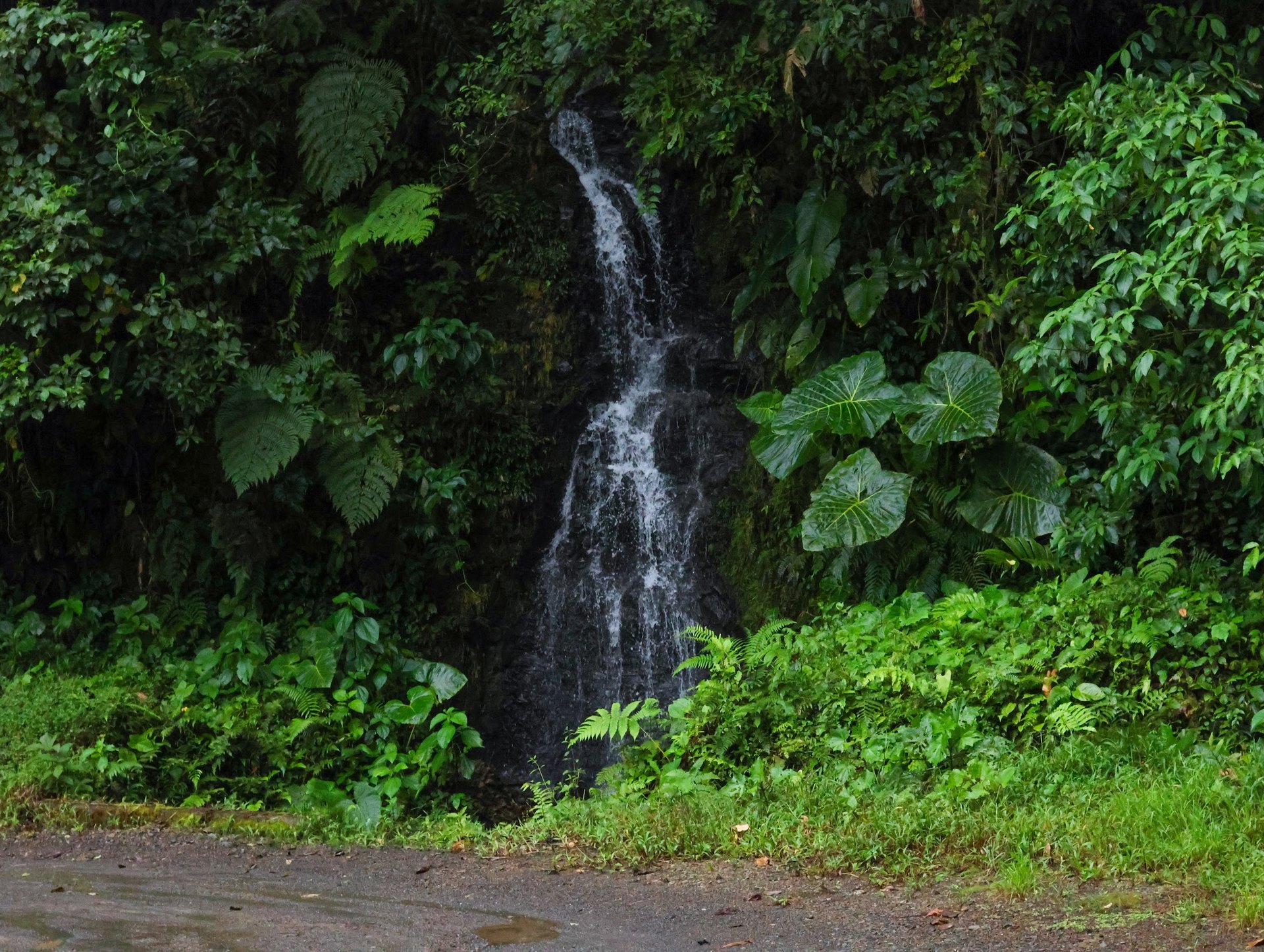
Crystalline Rock Cascades
WATERFALL & CHARCO⤢

Serranía de la Macarena

Crystalline Rock Cascades

Clear freshwater cascades flowing over ancient rock formations

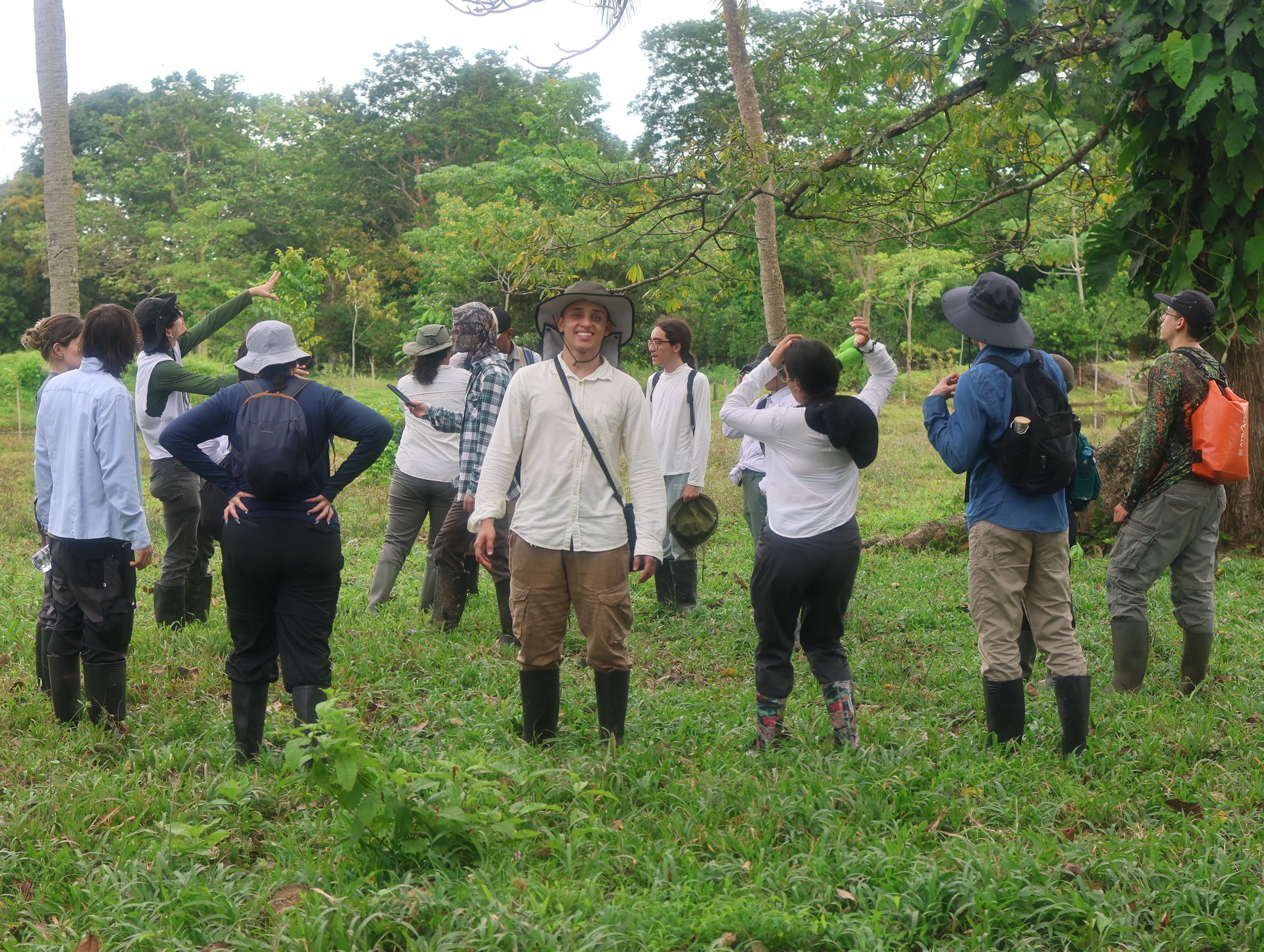
Savanna & Gallery Forest Briefing
FIELD BIOLOGIST & GROUP⤢

Orinoquía

Savanna & Gallery Forest Briefing

Expedition group in rubber boots preparing for a wetland transect

Gallery Forest Giant Tree
FIELD BIOLOGIST & GROUP⤢

Llanos Orientales

Gallery Forest Giant Tree

Biologist explaining seasonal flood dynamics in the gallery forest

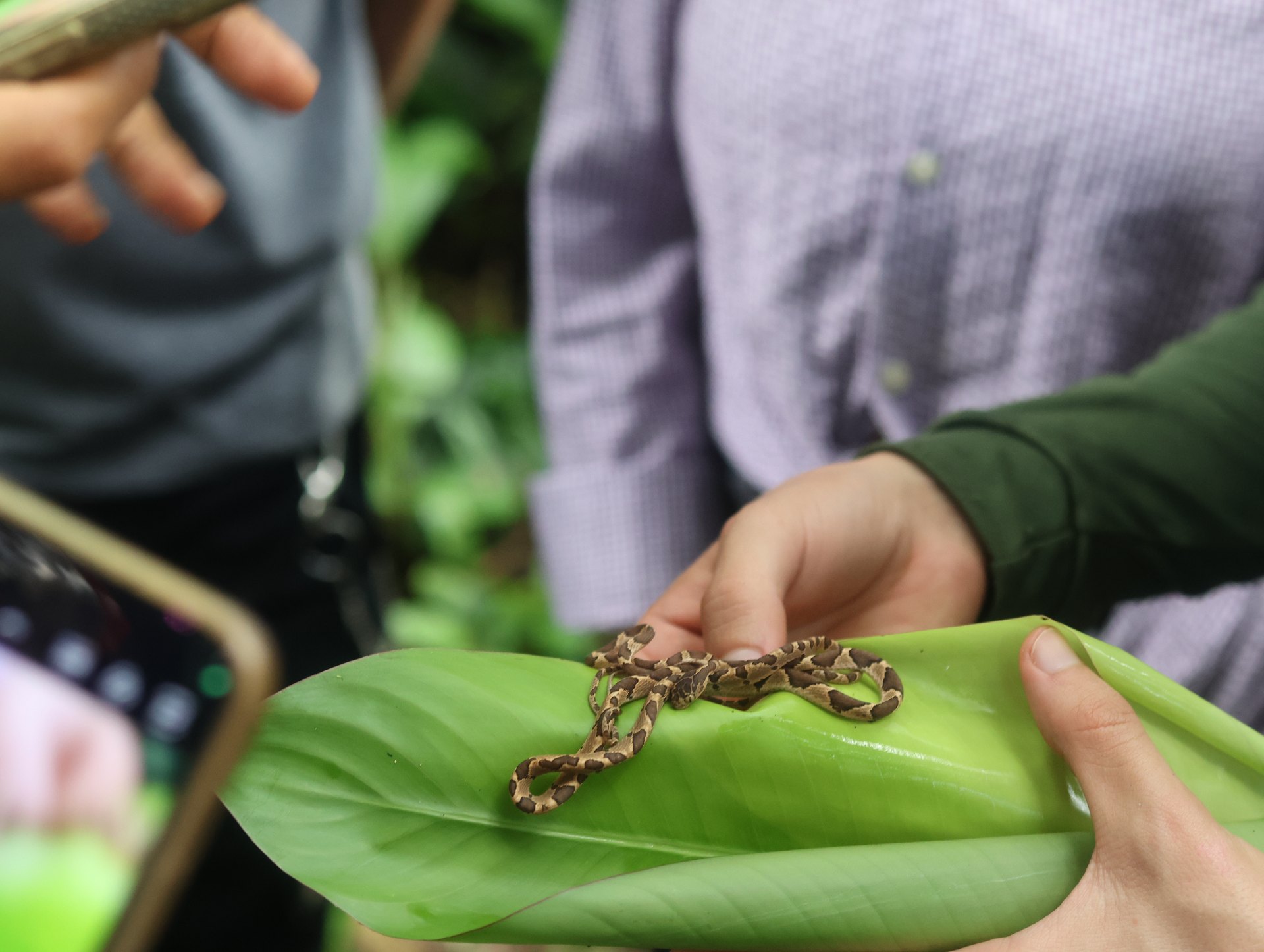
Field Herpetology Observation
FAUNA & HERPETOLOGY⤢

Orinoquía Basin

Field Herpetology Observation

Up-close reptile encounter along the river margin

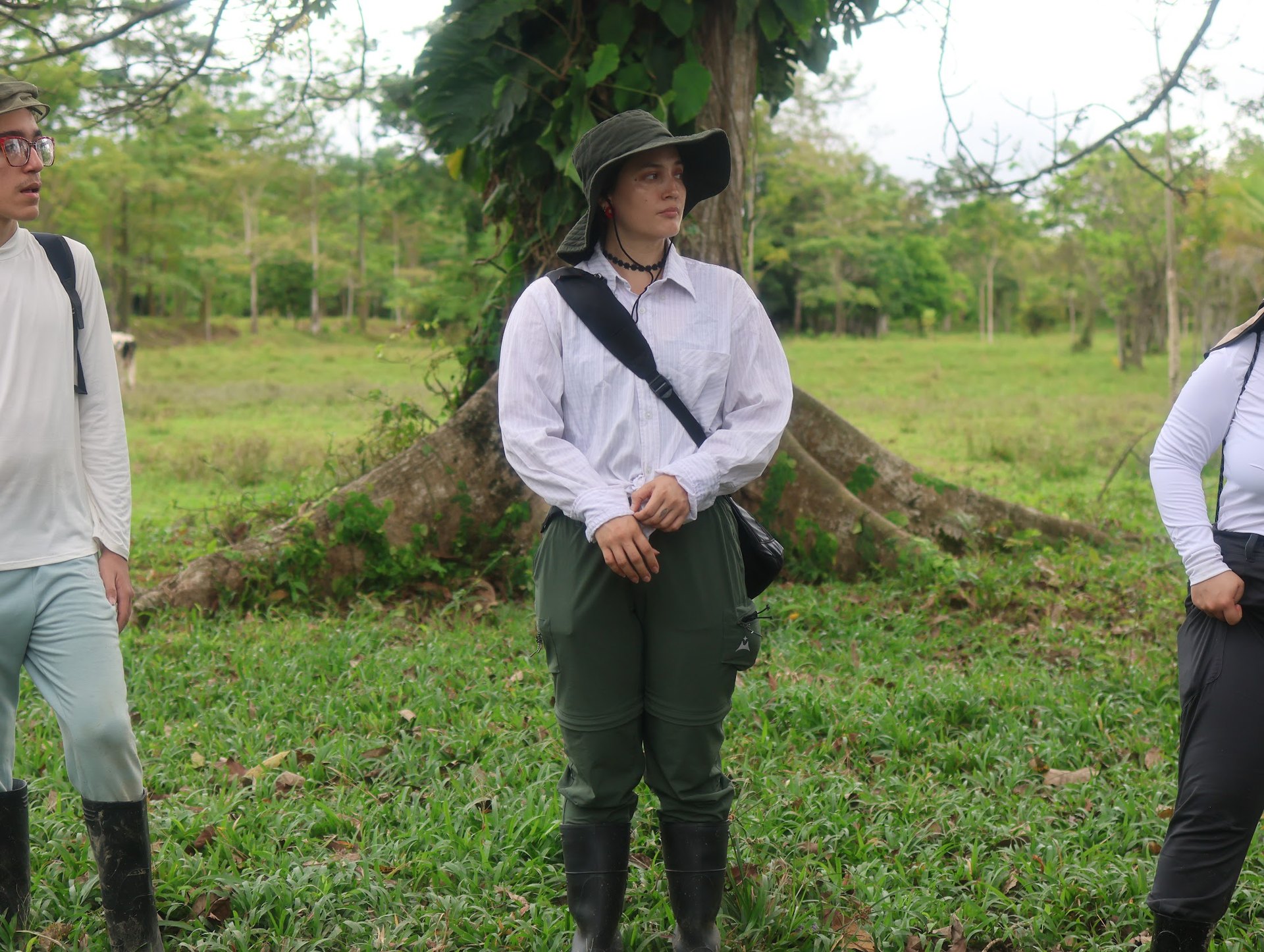
Naturalist Guide in Gallery Forest
FIELD BIOLOGIST & GROUP⤢

Meta

Naturalist Guide in Gallery Forest

Exploring the shaded Moriche and gallery forest corridors

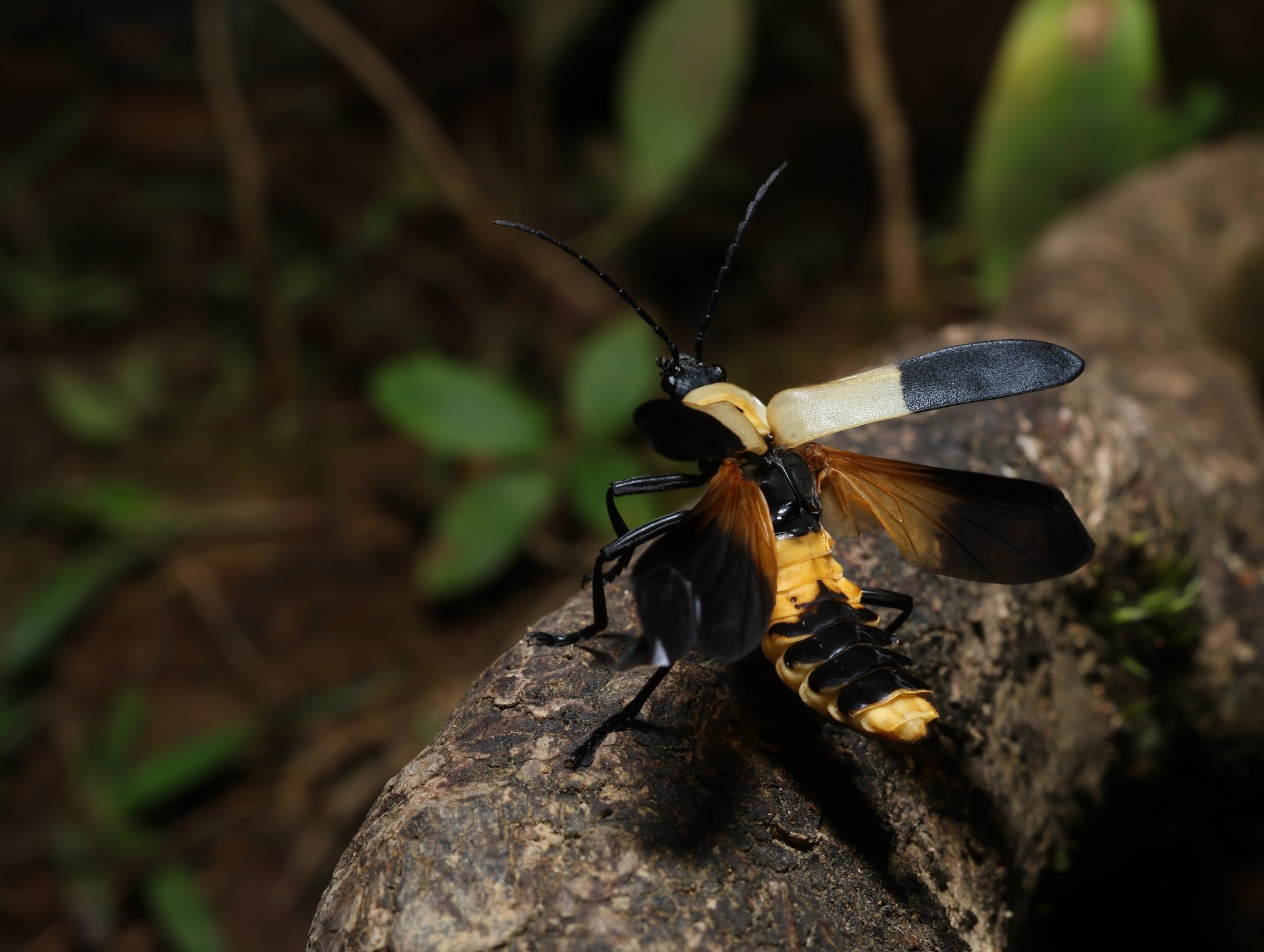
Neotropical Wasp-Mimic Moth
FAUNA & HERPETOLOGY⤢

La Macarena

Neotropical Wasp-Mimic Moth

Macro entomology in the Macarena transition zone

Field Verified

Verified Guest Dispatches & Field Logs

4.96★★★★★(184 Verified Logs)

Verified Guest Dispatches From the Orinoquía / Llanos Region

Field Biologist Scientific Depth5.00 / 5.0
Wild Species & Habitat Sightings4.95 / 5.0
Trail Safety, Pacing & Boots/Gear4.98 / 5.0
Private Door-to-Door 4x4 Logistics4.94 / 5.0
Field naturalist guiding our gallery-forest walk in rubber expedition boots
📸 Field naturalist guiding our gallery-forest walk in rubber expedition boots✓ Google Reviews
🇪🇸

Valeria & Martín Gómez-Restrepo

Colombia / Spain • Naturalist Couple

★★★★★ 5.0
September 2026

“Caño Cristales in full crimson bloom and Llanero Joropo around the Hato campfire”

Visiting Orinoquía and Serranía de la Macarena with a freshwater ecologist elevated every moment. We understood why Macarenia clavigera only turns ruby-crimson in the nutrient-pure quartz waters of Caño Cristales, photographed Orinoco crocodiles, giant anteaters, and flocks of Scarlet Ibis, and listened to live Arpa Llanera at sunset.

Expedition: Orinoquía: Caño Cristales & Hato Llanero SafariVerified Guest ✓
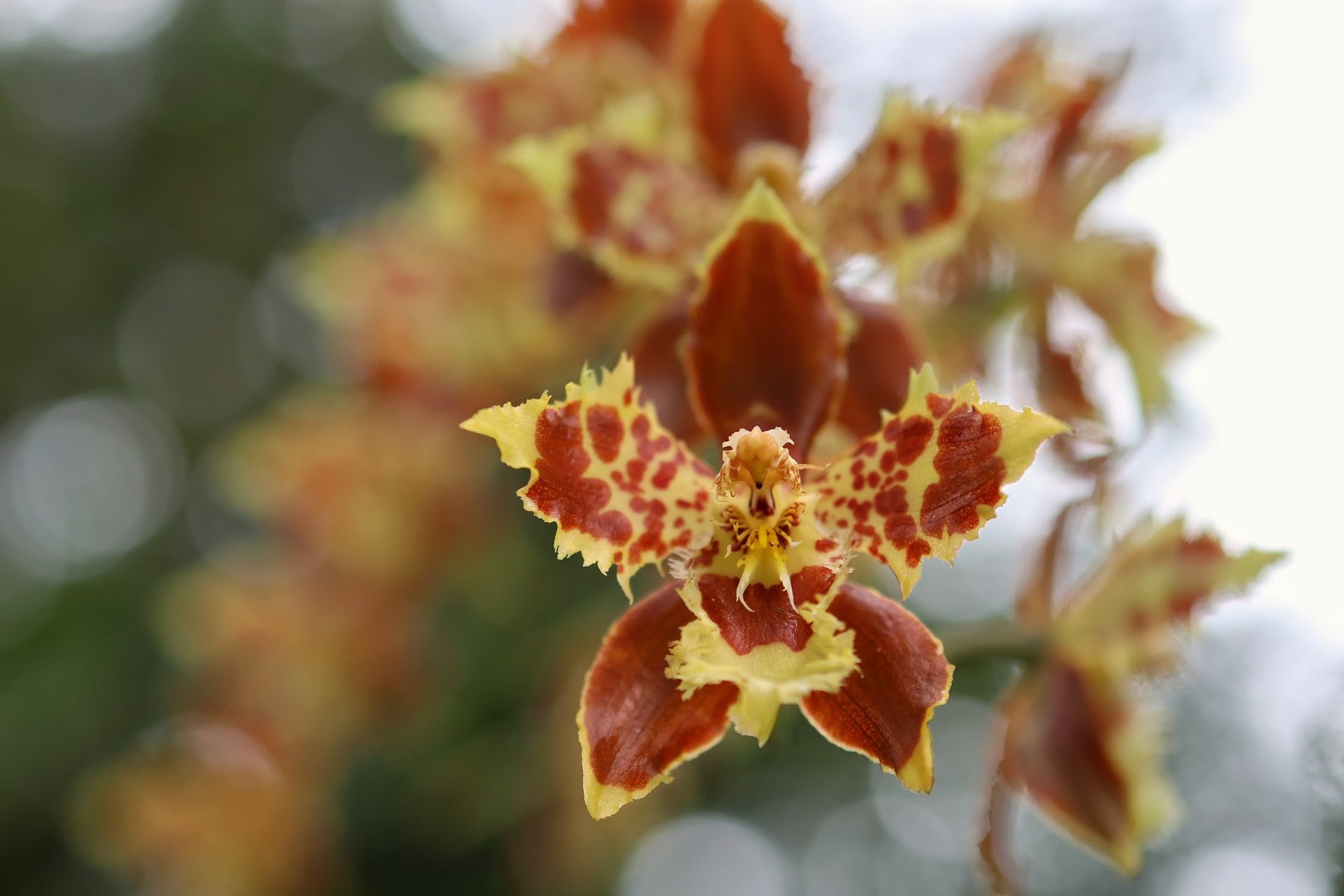
Wild Cyrtochilum orchid photographed in situ at 2,450m during Clara's morning walk
📸 Wild Cyrtochilum orchid photographed in situ at 2,450m during Clara's morning walk✓ Google Reviews
🇸🇪

Dr. Clara Lindqvist

Sweden • Botanist & Orchid Collector

★★★★★ 5.0
October 2026

“We photographed 19 wild orchid species in a single morning—including Pleurothallis and Cyrtochilum in bloom”

Most 'nature tours' in Colombia point at a tree and move on. Our Biotrails botanist brought clip-on macro optics, knew the exact host phorophytes along the El Romeral cloud-forest ridge, and showed us tiny Pleurothallis micro-orchids smaller than a fingernail blooming beside wild Cyrtochilum. Within 35 minutes of leaving El Poblado we were completely immersed in primary montane forest with zero other tourists.

Expedition: El Romeral Cloud Forest & Wild Orchid WalkVerified Guest ✓
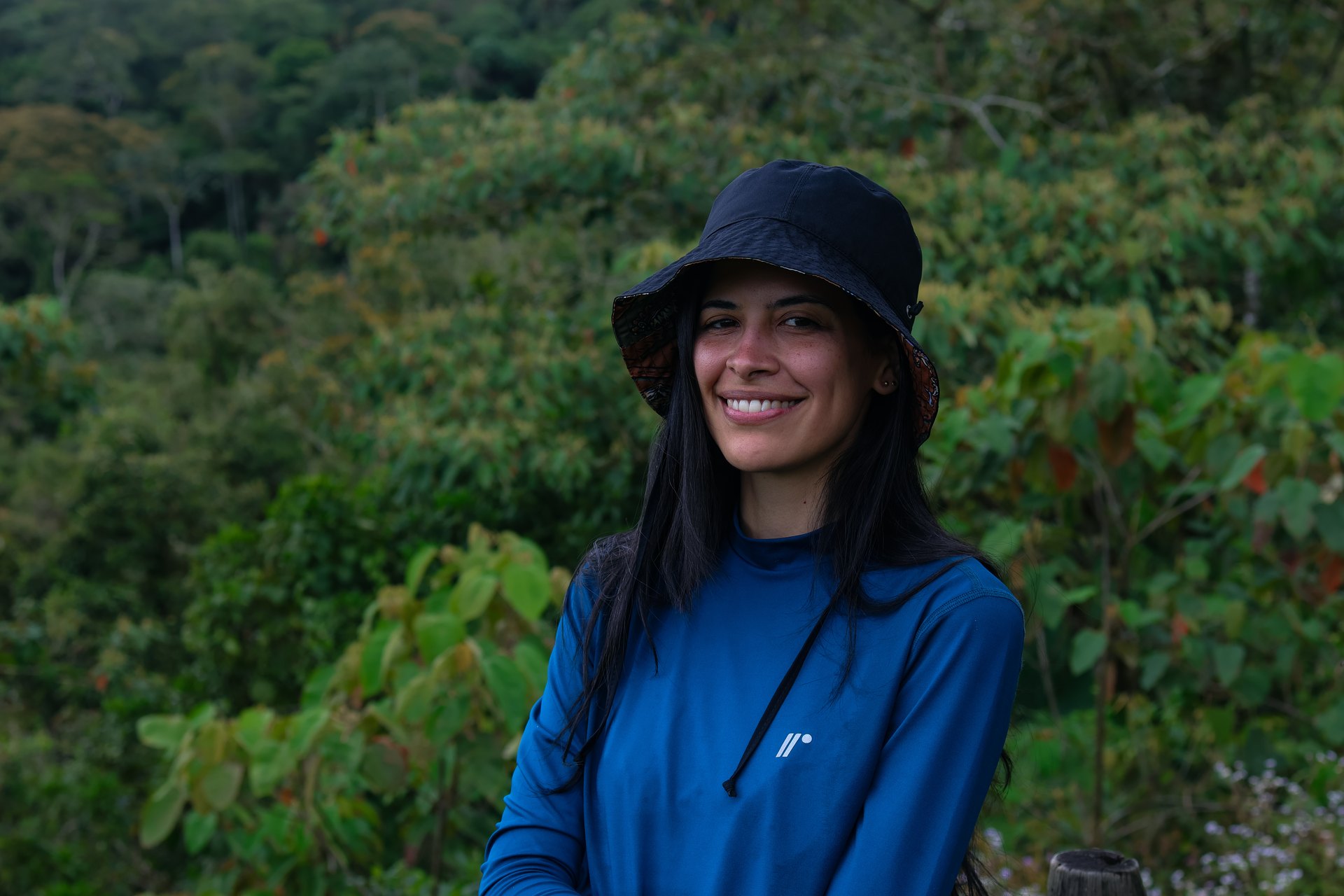
Elena at the El Romeral cloud-forest ridge overlook (2,480m)
📸 Elena at the El Romeral cloud-forest ridge overlook (2,480m)✓ TripAdvisor
🇺🇸

Marcus & Elena Vance

United States • Boutique Eco-Travel Couple

★★★★★ 5.0
September 2026

“The highlight of our two weeks in Colombia—private, unhurried, and genuinely scientific”

We almost booked a standard Guatapé bus tour before finding Biotrails. Instead, a private 4x4 picked us up at our hotel in El Poblado with rubber field boots in our exact sizes and hot specialty coffee. Walking the misty bamboo and tree-fern ridge while our biologist explained pollination traps and cloud interception felt like stepping into a private BBC Earth documentary.

Expedition: El Romeral Cloud Forest & Wild Orchid WalkVerified Guest ✓
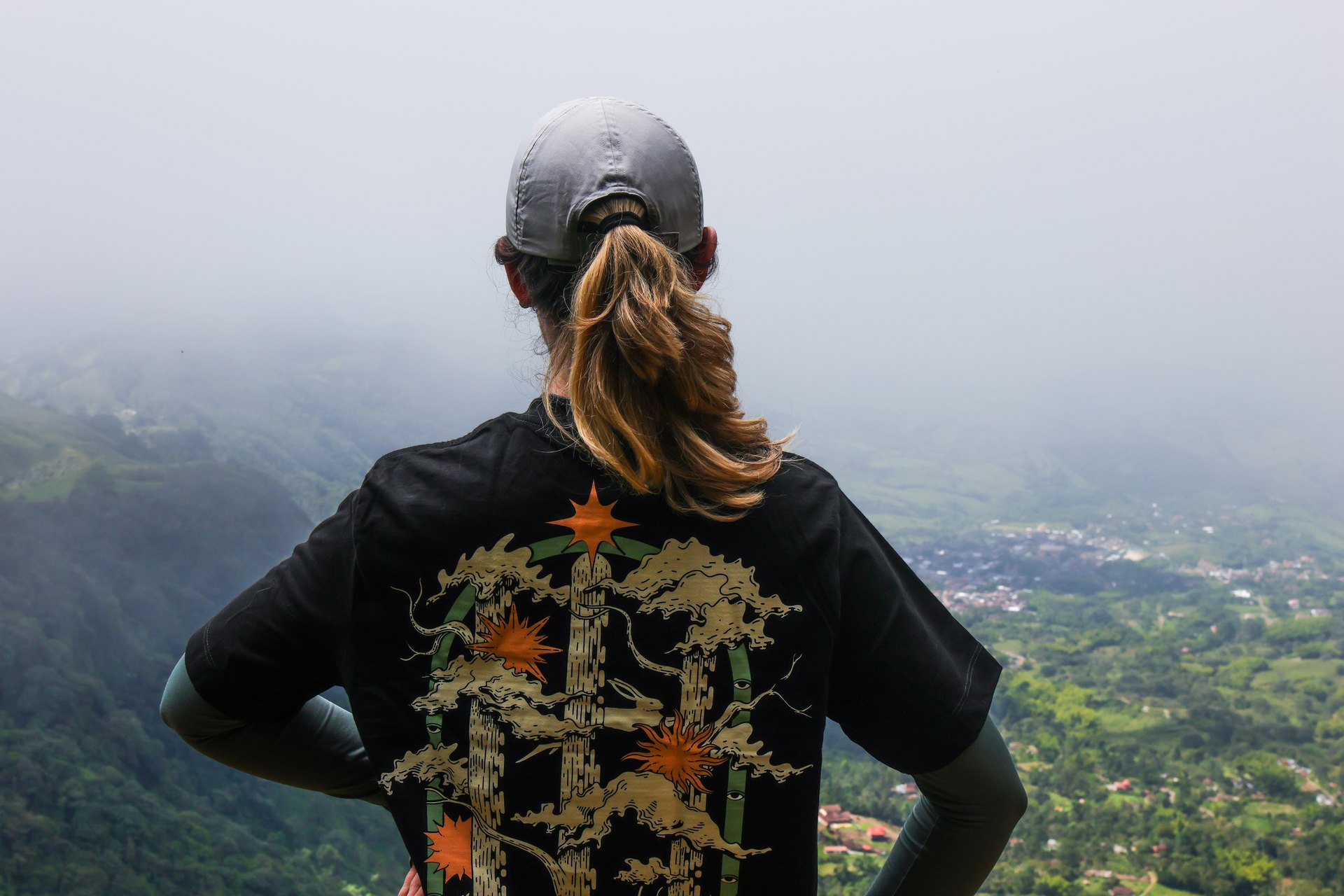
Overlooking the cloud-draped Aburrá-Romeral divide before noon
📸 Overlooking the cloud-draped Aburrá-Romeral divide before noon✓ Google Reviews
🇮🇪

Liam O'Connor

Ireland • Medellín Remote Founder

★★★★★ 5.0
October 2026

“Back at my desk in Laureles by 1:30 PM after standing inside an untouched cloud forest”

Living in Medellín for three months, I had no idea you could reach pristine high-Andean cloud forest this fast. The trail pacing was spot on, the mirador over the misty valley was jaw-dropping, and learning how bromeliads and mosses feed the city's watershed completely changed how I look at the mountains around the valley.

Expedition: El Romeral Cloud Forest & Wild Orchid WalkVerified Guest ✓
Sophie on the misty La Miel ridge trail after the dawn hummingbird session
📸 Sophie on the misty La Miel ridge trail after the dawn hummingbird session✓ TripAdvisor
🇳🇱

Sophie van der Berg

Netherlands • Wildlife Photographer

★★★★★ 5.0
August 2026

“14 hummingbird species at eye level—the Swarovski optics and feeder deck access are unmatched”

I brought my Sony 200-600mm hoping for a few decent frames, and left with 400+ tack-sharp shots of Booted Racket-tails, Tourmaline Sunangels, and Greenish Pufflegs. Having an ornithologist beside you who recognizes every territorial call before the bird even lands on the heliconia perch makes all the difference.

Expedition: La Miel Hummingbird Deck & Montane Forest WalkVerified Guest ✓

Regional Travel & Conservation Logistics

Frequently Asked Questions — Orinoquía / Llanos Region

Macarenia clavigera blooms in vibrant shades of crimson and magenta between mid-June and late November, when water levels and sunlight reach the ideal equilibrium.

Explore the Other 5 Natural Regions of Colombia

Andean Region
Region 01 • Región AndinaAndean Region

500 m – 5,300 m • 24.5% of Colombia (~282,540 km²)

Andean Region

Where the Andes split into the Western, Central, and Eastern Cordilleras—creating the highest density of microclimates, cloud-forest orchids, hummingbirds, and Silletero/Coffee mountain culture on Earth.

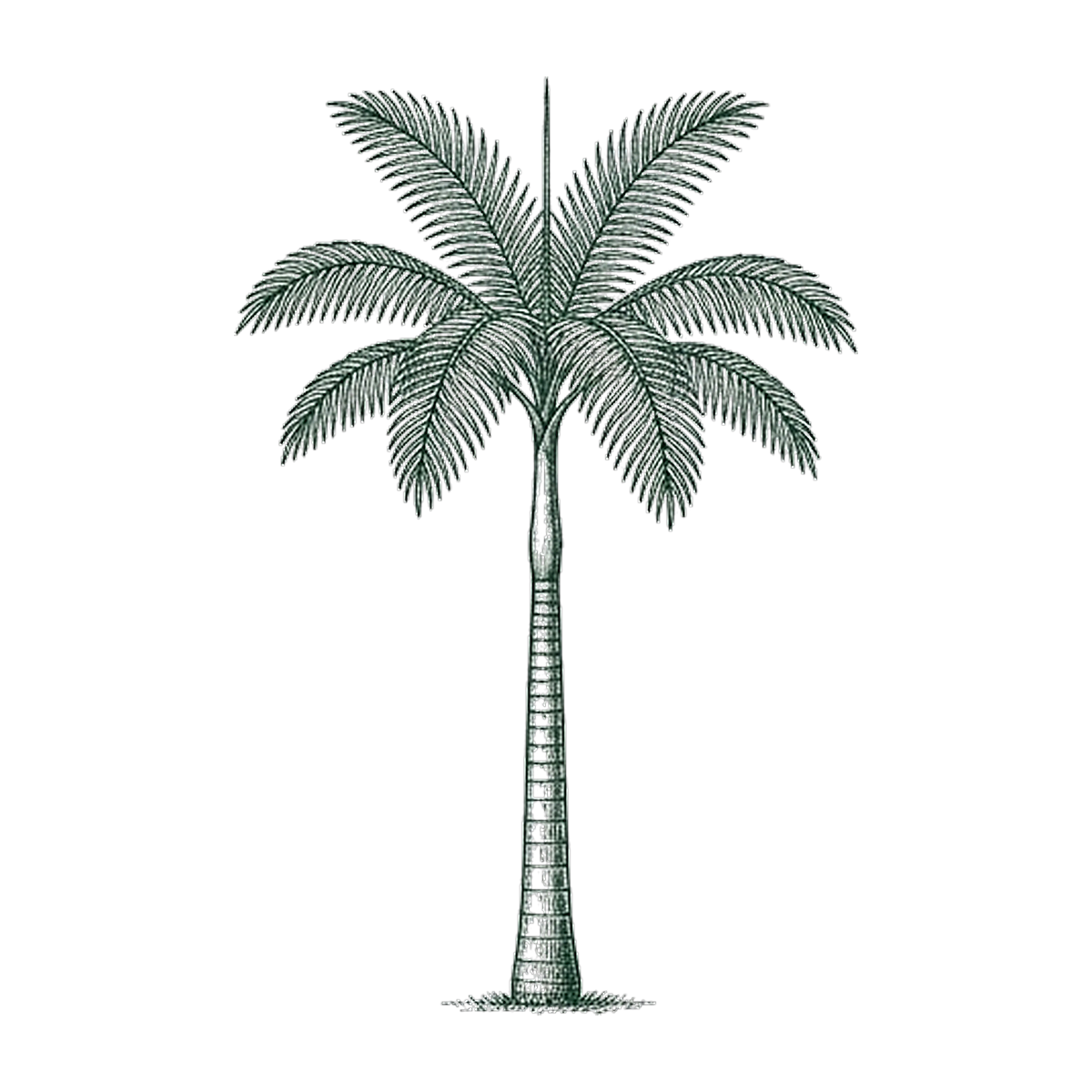
Quindío Wax Palm
Keystone NatureQuindío Wax Palm
Santa Elena Floral Silleta
Living CultureSanta Elena Floral Silleta
4 Species + 4 Cultural PlatesExplore Region →
Pacific & Chocó Region
Region 02 • Región Pacífica (Chocó Biogeográfico)Pacific & Chocó Region

0 m – 1,200 m (Baudó & Coastal Cliffs) • 7.3% of Colombia (~83,170 km²)

Pacific & Chocó Region

Isolated from the Amazon by the rising Andes millions of years ago, the Biogeographic Chocó is one of the rainiest, most endemism-dense jungles on Earth—home to breaching Humpback Whales, Golden Poison Frogs, mangrove estuaries, Afro-Pacific Marimba de Chonta music, and Wounaan/Emberá Werregue basketry.

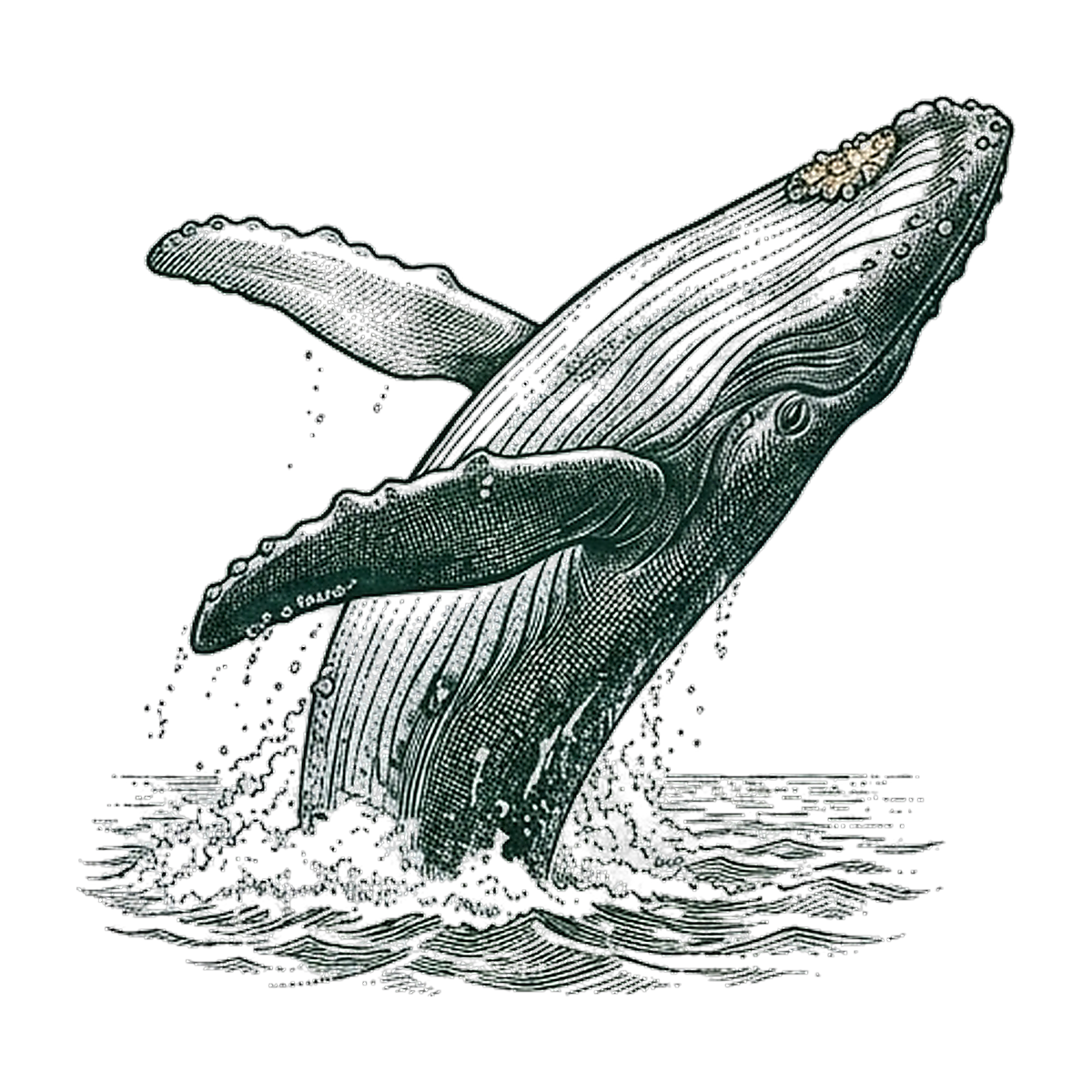
Pacific Humpback Whale
Keystone NaturePacific Humpback Whale
Afro-Pacific Marimba de Chonta & Cununo
Living CultureAfro-Pacific Marimba de Chonta & Cununo
4 Species + 2 Cultural PlatesExplore Region →
Caribbean Region
Region 03 • Región CaribeCaribbean Region

0 m – 5,775 m (Pico Cristóbal Colón) • 11.6% of Colombia (~132,288 km²)

Caribbean Region

The world's highest coastal mountain massif rising 5,775m straight out of the Caribbean Sea, framed by xeric cactus deserts, tropical dry forests with endemic Cotton-Top Tamarins, Wayuu and Zenú textile mastery, and colonial Mompox.

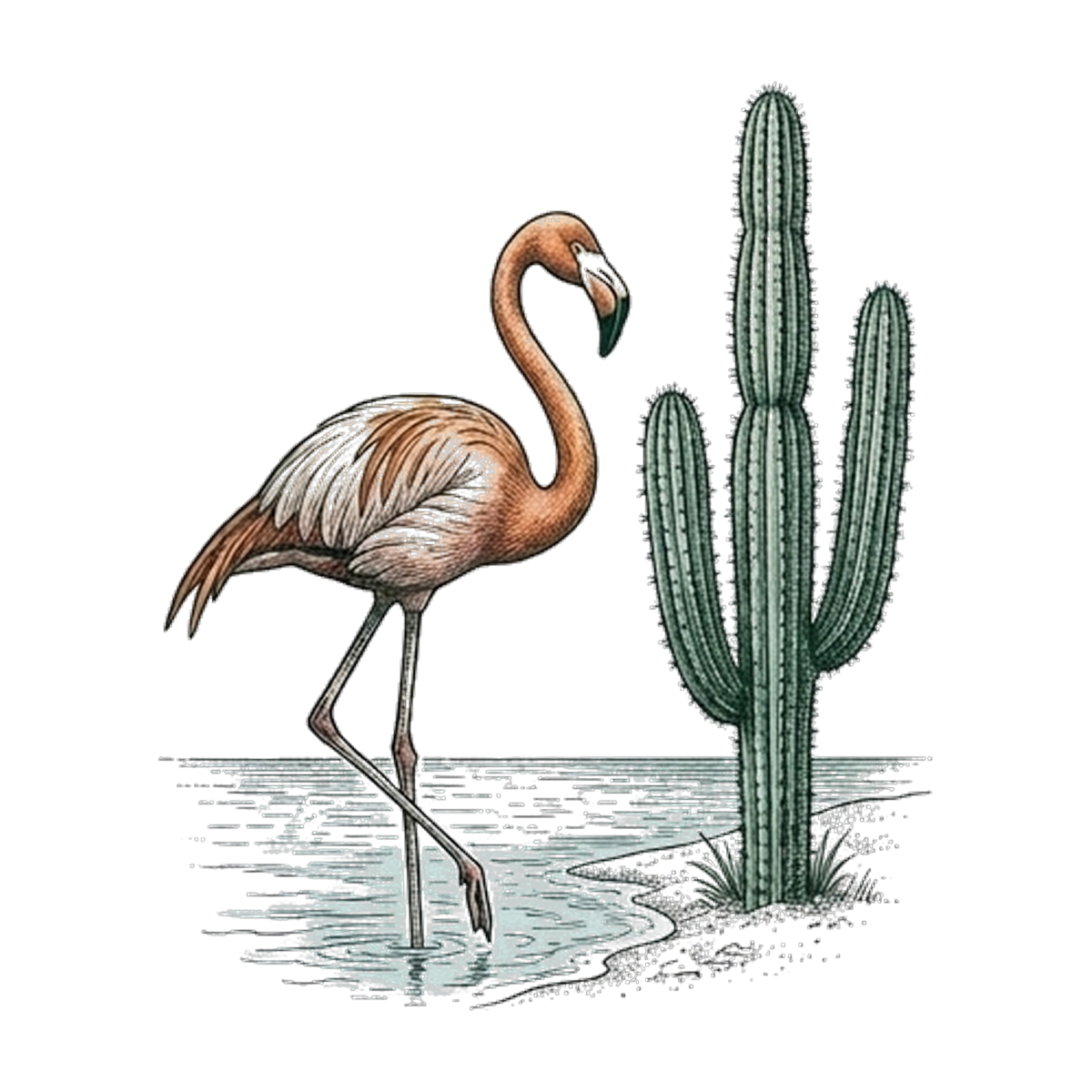
American Flamingo & Cardón Cactus
Keystone NatureAmerican Flamingo & Cardón Cactus
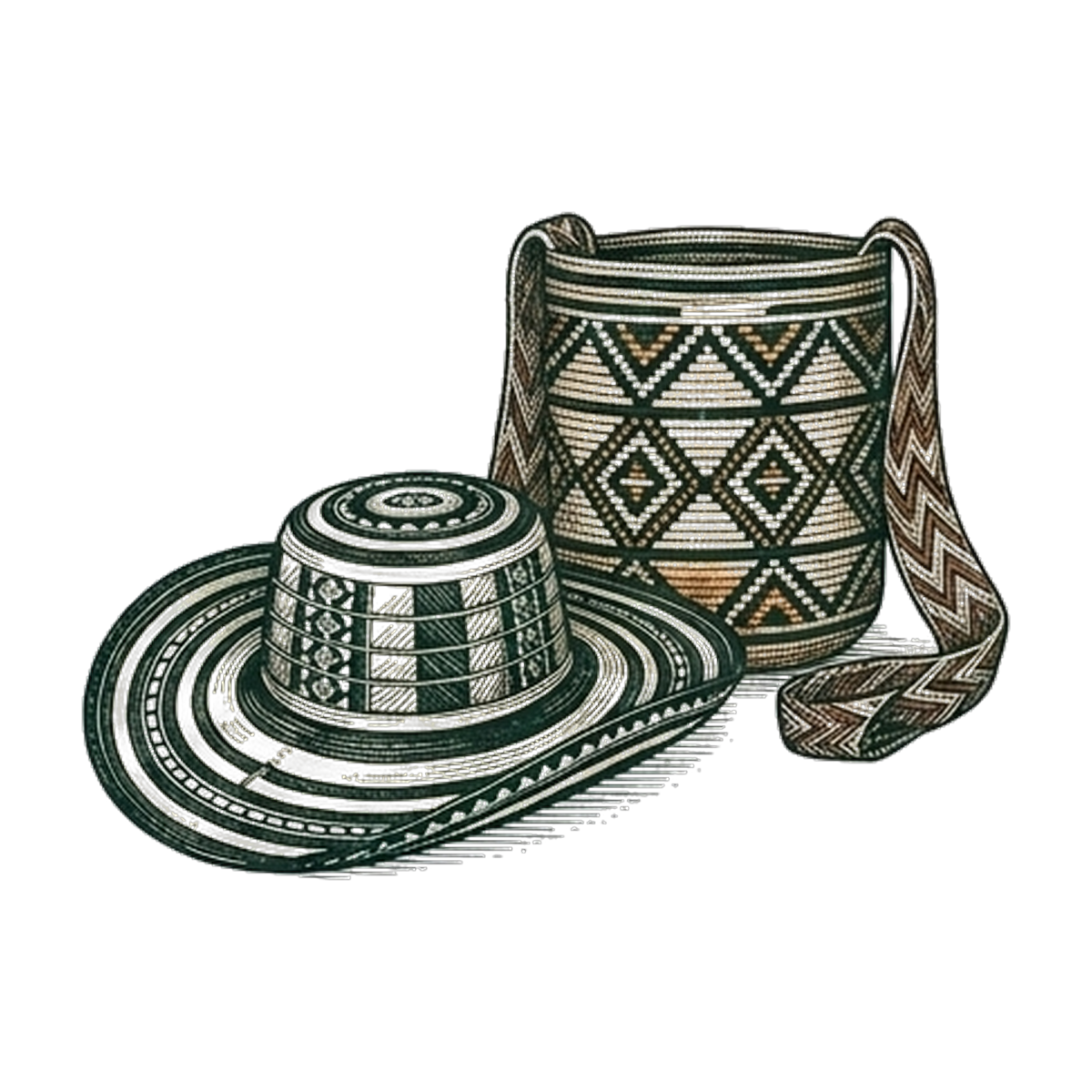
Wayuu Mochila & Sombrero Vueltiao
Living CultureWayuu Mochila & Sombrero Vueltiao
3 Species + 3 Cultural PlatesExplore Region →