CLIMATE & BIOMES: Caribbean Coral Atoll & Dry Forest + Humid Oceanic Pacific Island Rainforest
DEPARTMENTS: Archipiélago de San Andrés, Providencia y Santa Catalina (Caribe) & Cauca / Valle del Cauca (Gorgona & Malpelo, Pacífico)
Colombia is the only country in South America with coastlines and oceanic islands in both the Caribbean Sea and the Pacific Ocean. Together, these islands form the Región Insular—a marine and island biodiversity laboratory divided into two distinct evolutionary worlds.
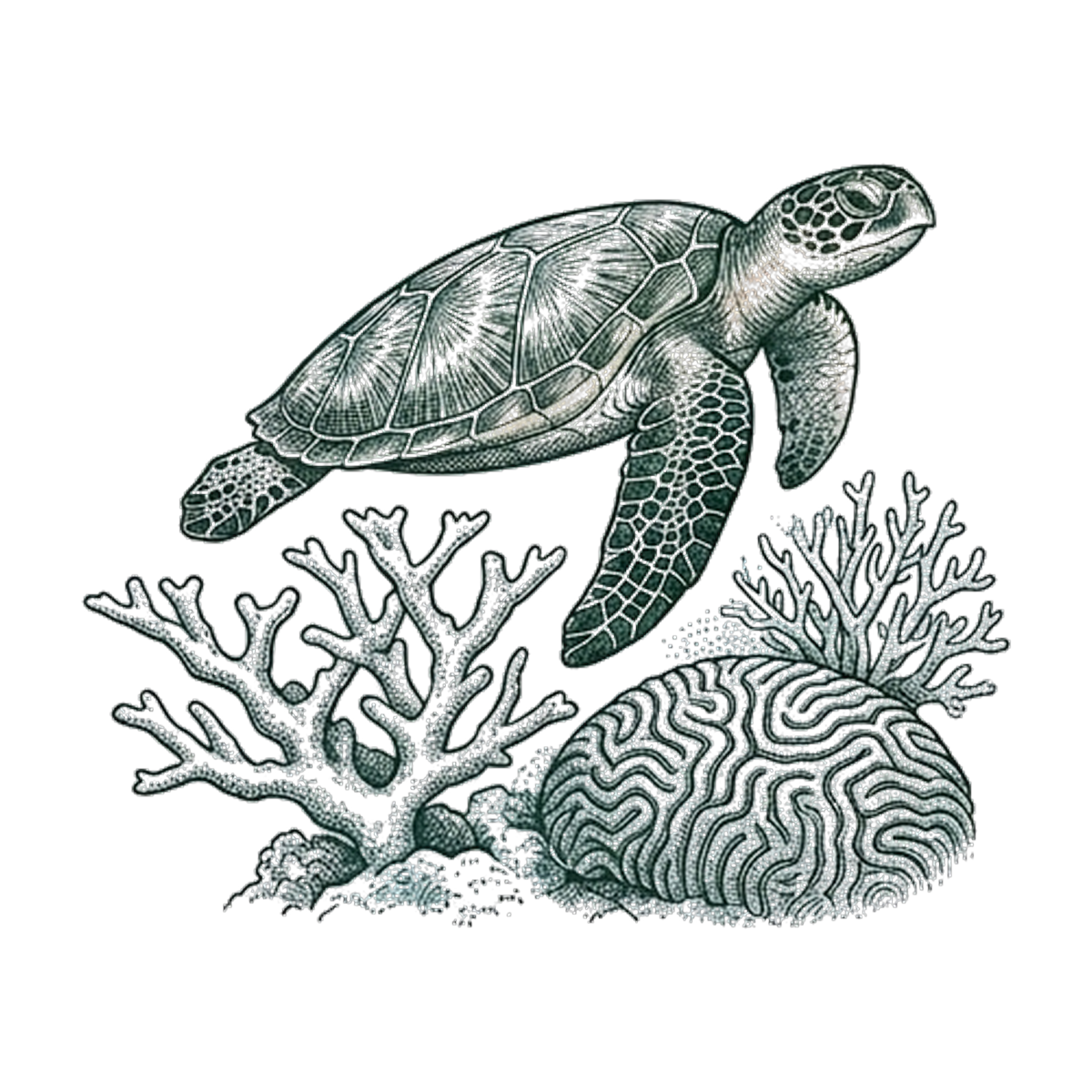
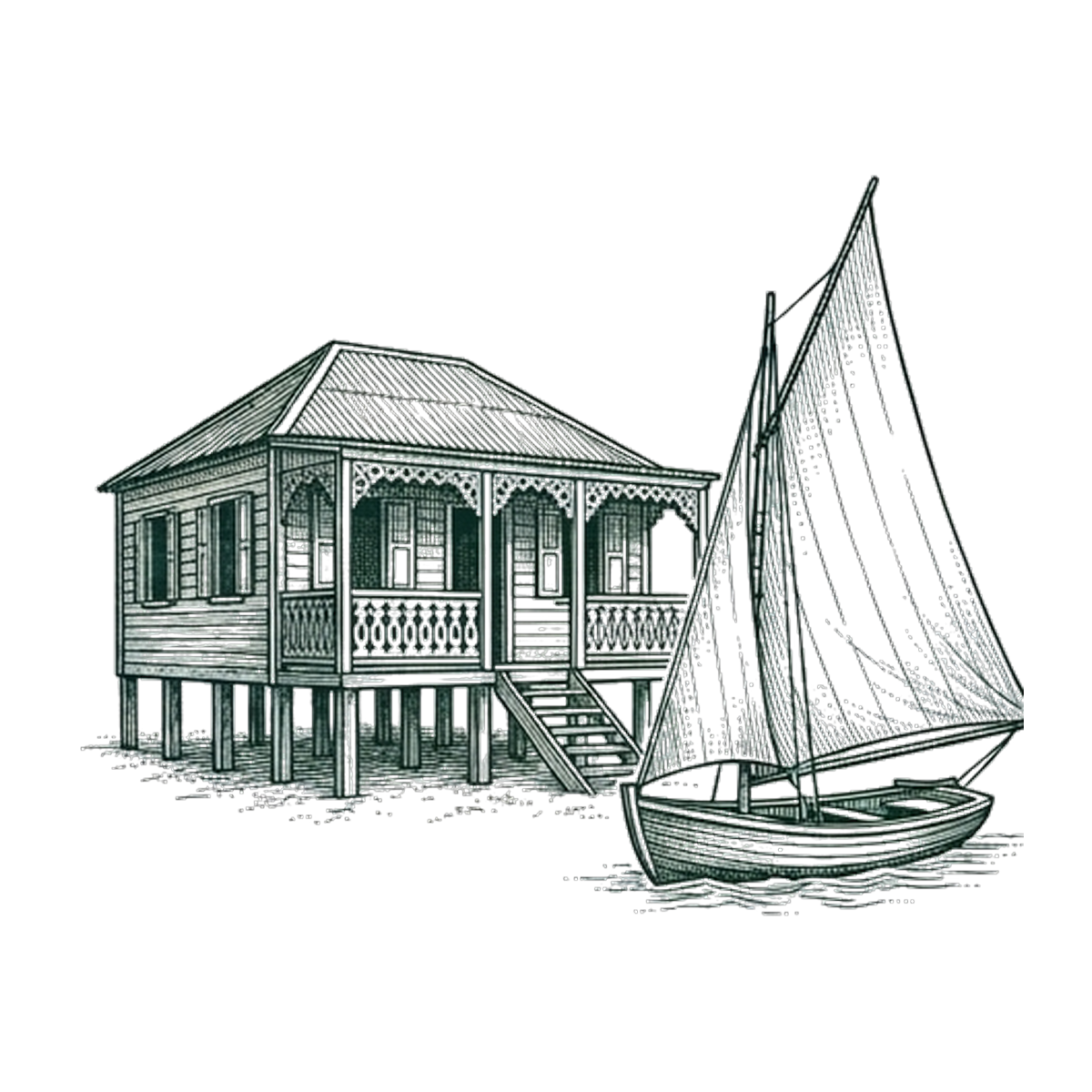
In the western Caribbean lies the Archipelago of San Andrés, Providencia, and Santa Catalina, centerpiece of the UNESCO Seaflower Biosphere Reserve and home to the third-largest barrier reef system on Earth (32 km long around Providencia alone). Beneath the 'Sea of Seven Colors,' Elkhorn, Staghorn, and giant Brain corals shelter Hawksbill and Green Sea Turtles, Caribbean Reef Sharks, spotted eagle rays, and queen conchs, while Providencia's central volcanic peak protects dry tropical forest and endemic island vireos. On land, the Afro-Caribbean Raizal people preserve English-based Creole language, pastel wooden gingerbread architecture on stilts, and traditional wooden Catboat sailing.
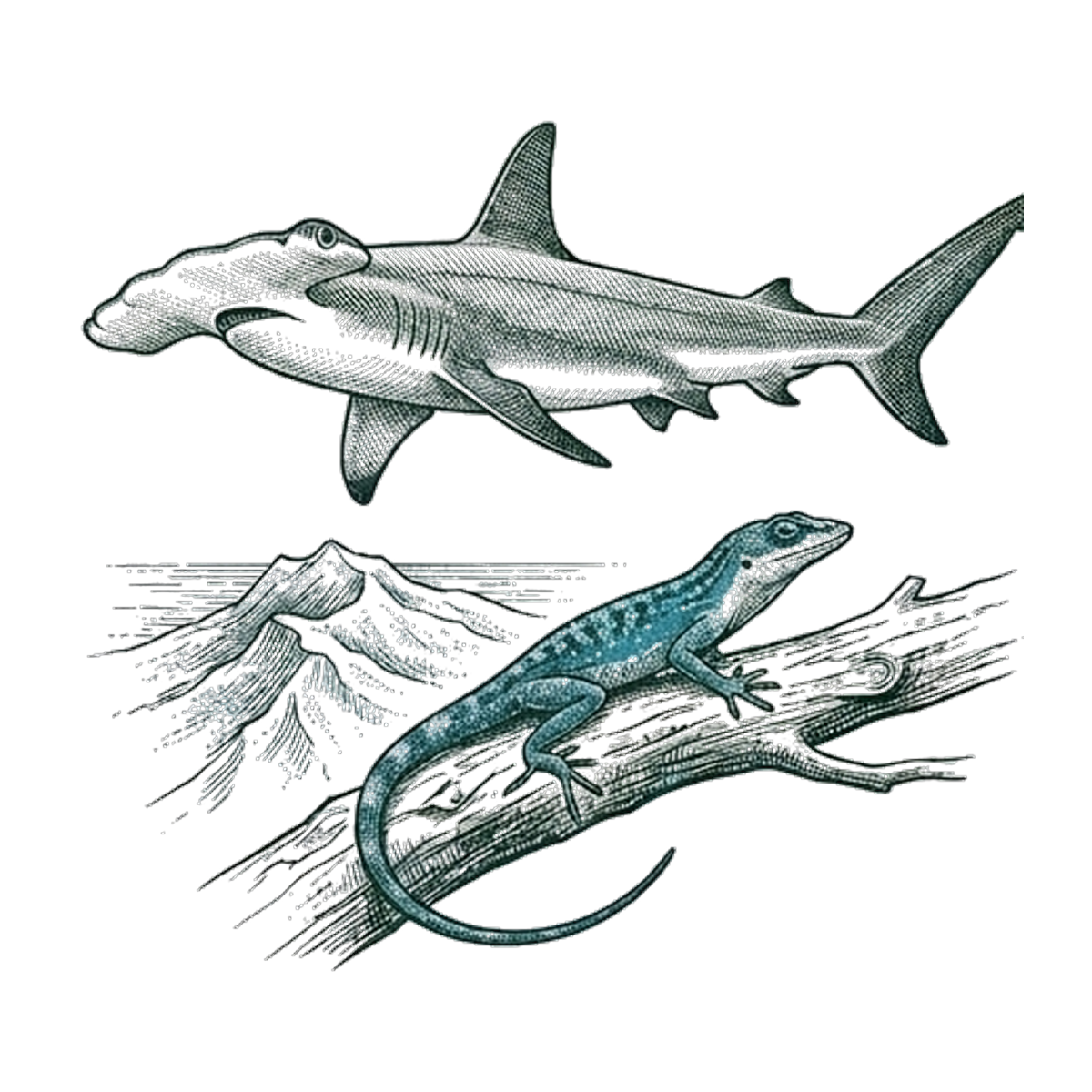
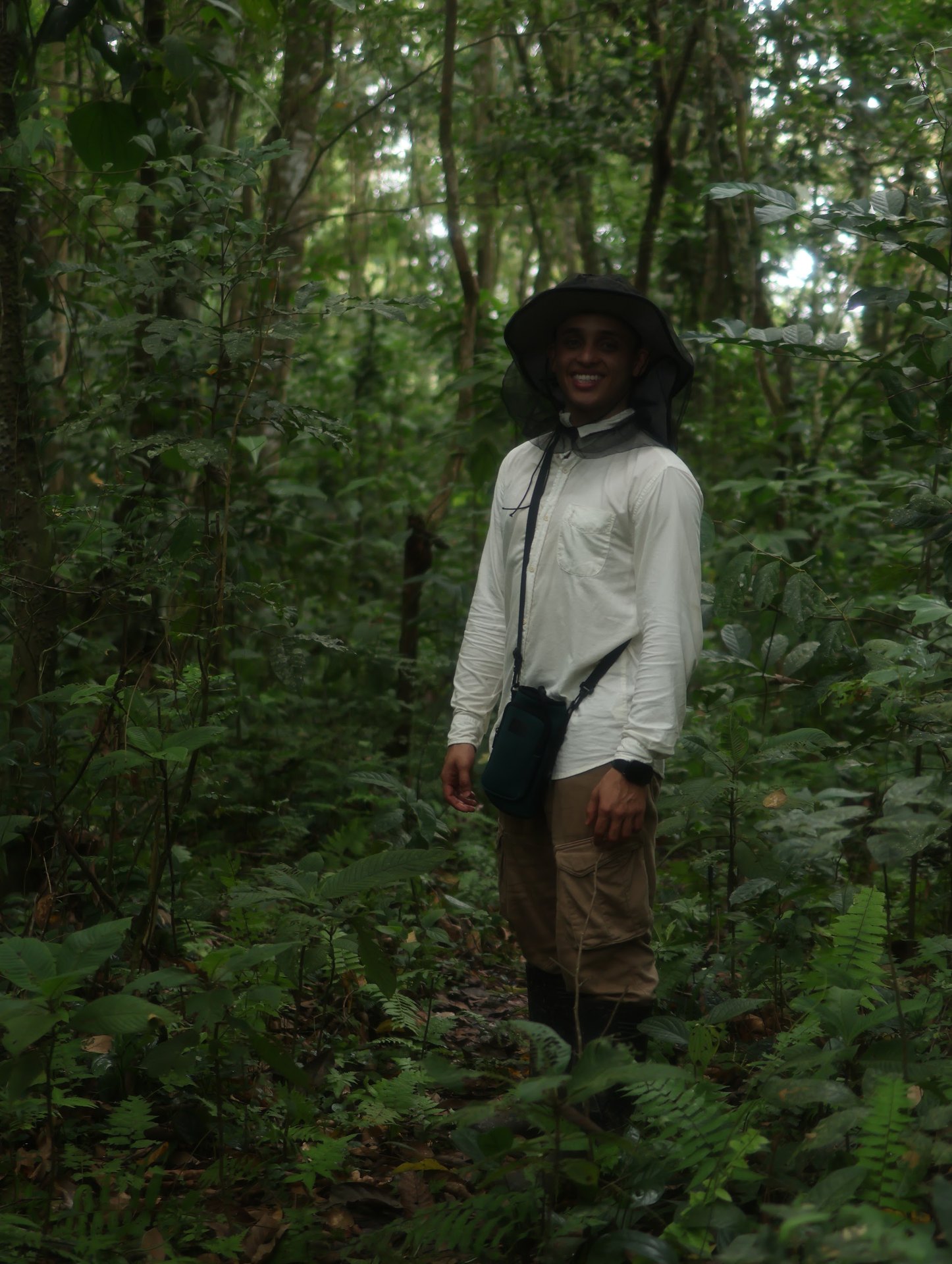
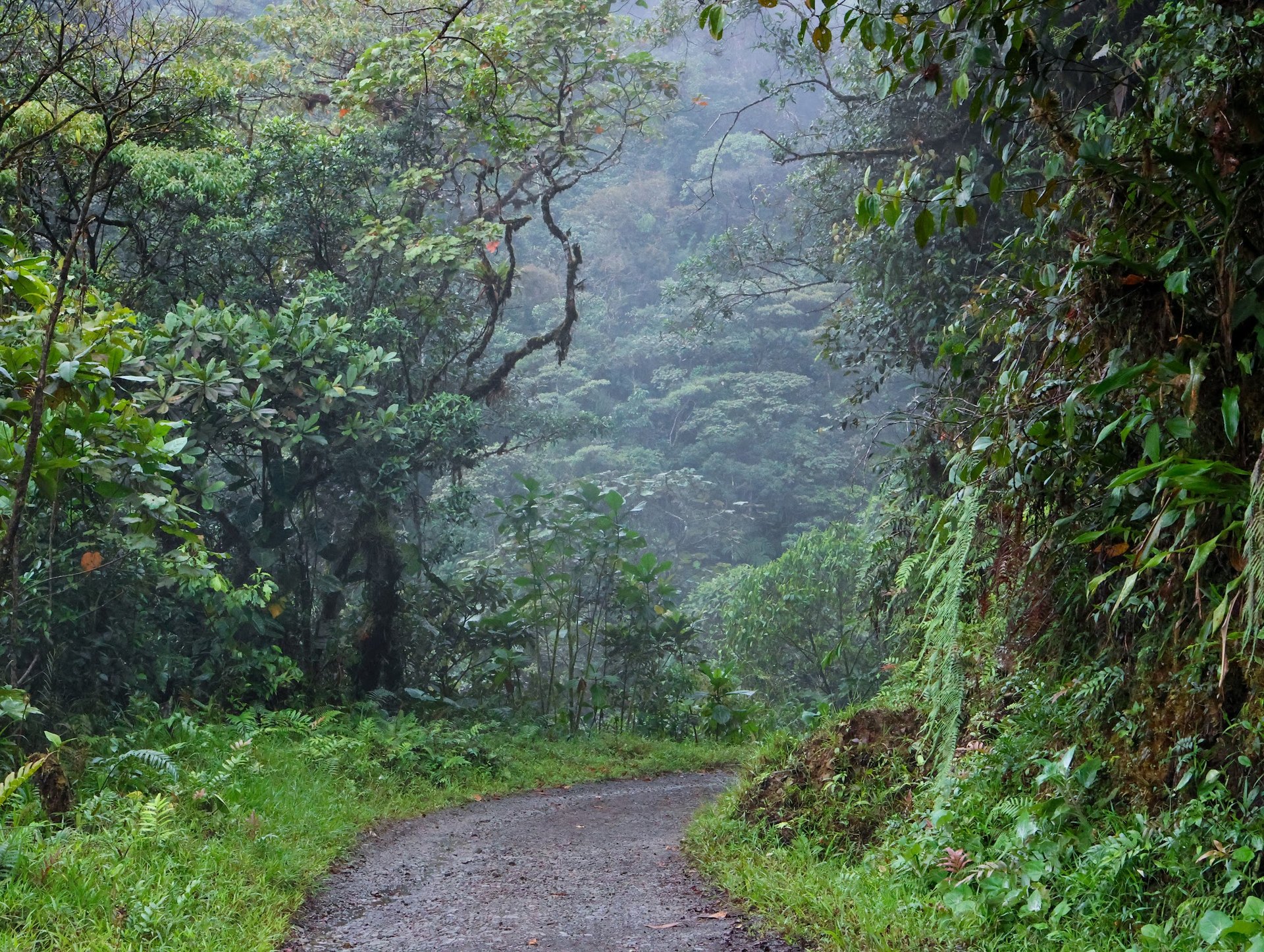
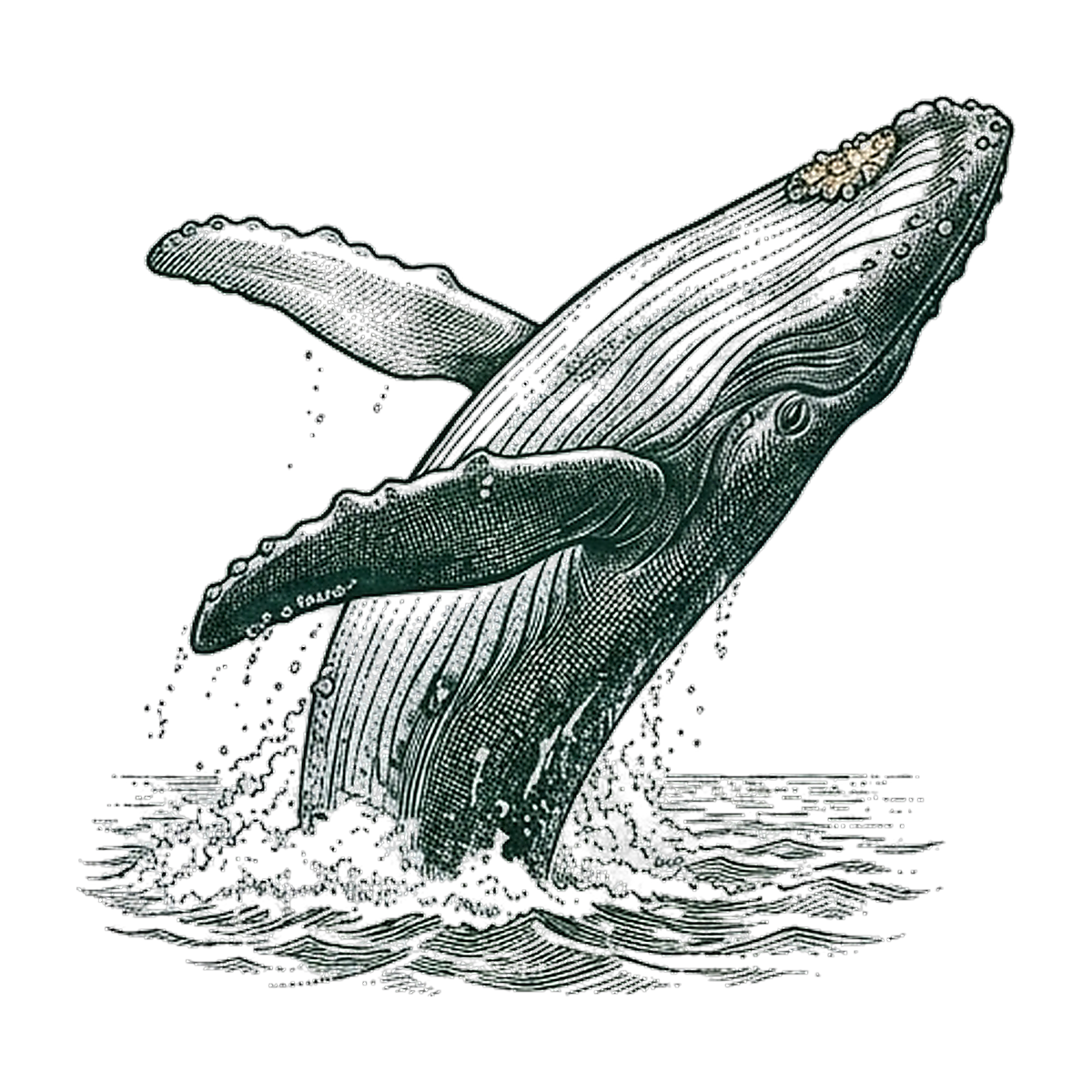
In the Pacific Ocean lie Isla Gorgona and the UNESCO World Heritage Sanctuary of Malpelo. Cloaked in dense tropical rainforest 35 kilometers off the Cauca coast, Gorgona is known as Colombia's 'Science Island'—harboring the world's only all-blue lizard, the endemic Gorgona Blue Anole (Anolis gorgonae), alongside coral reefs, breeding humpback whales, and playful white-faced capuchins. Further offshore, the sheer volcanic seamount of Malpelo attracts mega-schools of hundreds of Scalloped Hammerhead Sharks (Sphyrna lewini), silky sharks, and whale sharks.